It’s July, and we’re in high summer, with long days out in the vertical enjoying the season. Recently, we had a request via Instagram to visually demonstrate the mechanics behind a fatal lowering accident that took place in 2024 and was documented in the 2025 Accidents in North American Climbing.
Details came to us through a third-party report sent via our online report form. The correspondent did not want to be identified, but they provided the location, date, name of fallen climber, name of belayer, cause of accident, and other details. As they summarized: “Inexperienced climber (Claire Amiel) may have been cleaning an anchor which was beyond her skill level (and) tied in with a non-traditional knot [identified as an alpine butterfly], which became confusing when clipping mussy hooks.”
The published report and analysis appear below. The lessons here are to stick with simple tools and techniques, and practice skills—like cleaning and lowering—while still on the ground. If you’re the expert in the group, take extra-good care of your partner/s. They are looking to you for guidance and safety.
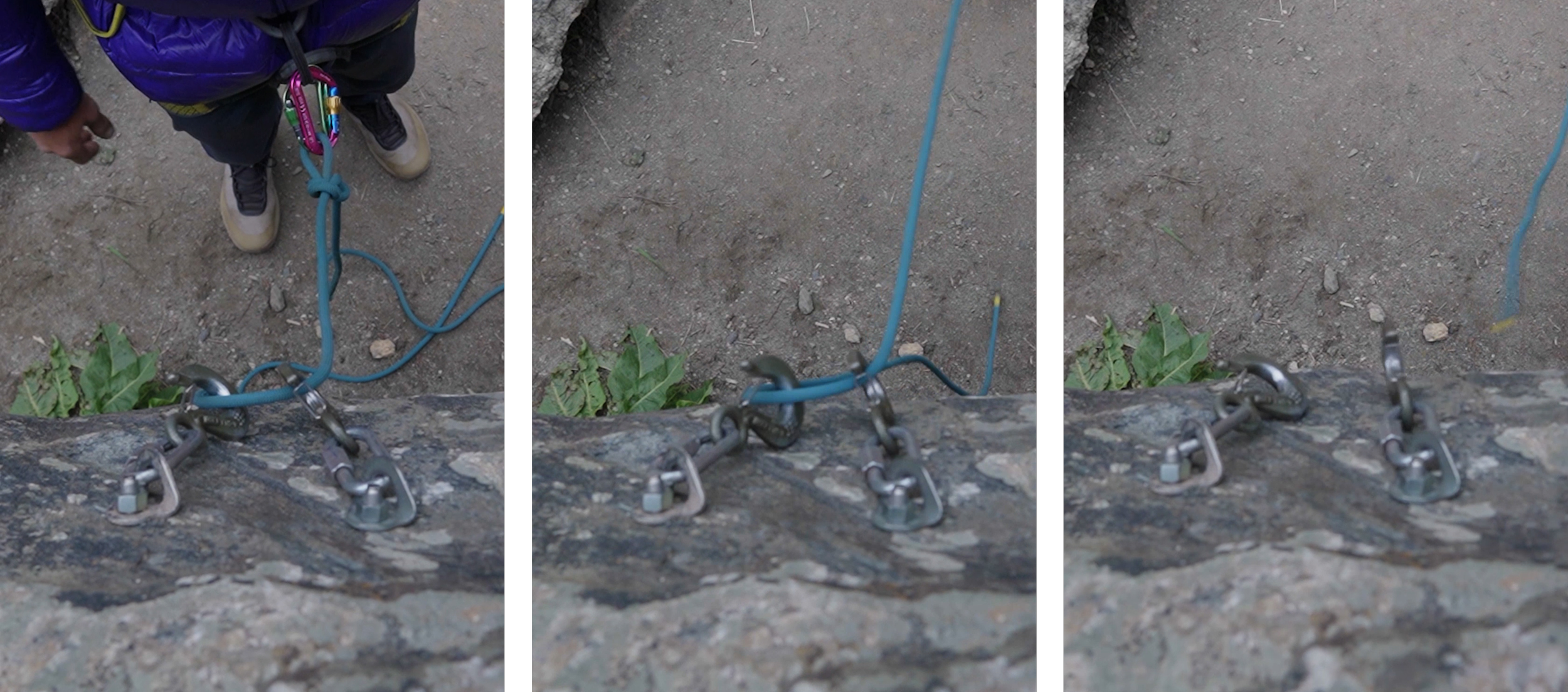
Jason Antin demonstrating one misstep from this month’s accident. See the full breakdown in July’s video analysis.
Fall From Anchor | Unfamiliar Knot
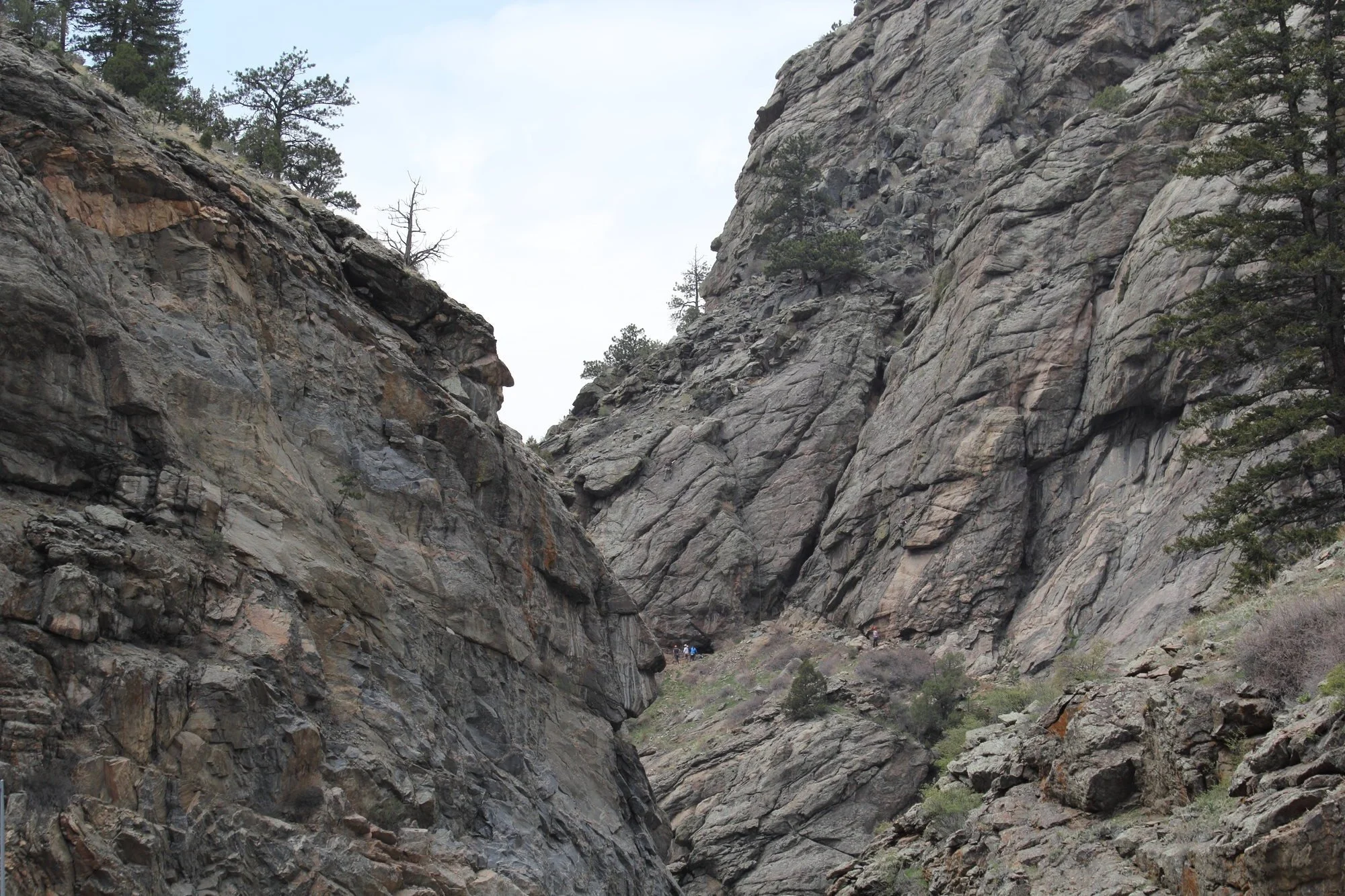
Queen Creek, The Pond
On January 30, Claire Amiel (34) fell while cleaning an anchor on a sport route at The Pond area in Queen Creek, Arizona. The fall resulted in her death.
According to a source who wishes to remain anonymous, Amiel was the less experienced of two climbers in her group. The anonymous source wrote ANAC: “Claire fell from the top of a route while cleaning the anchor. It's rumored she was tied into an alpine butterfly knot. After clipping the mussy hooks, she weighted the wrong side of the butterfly knot.”
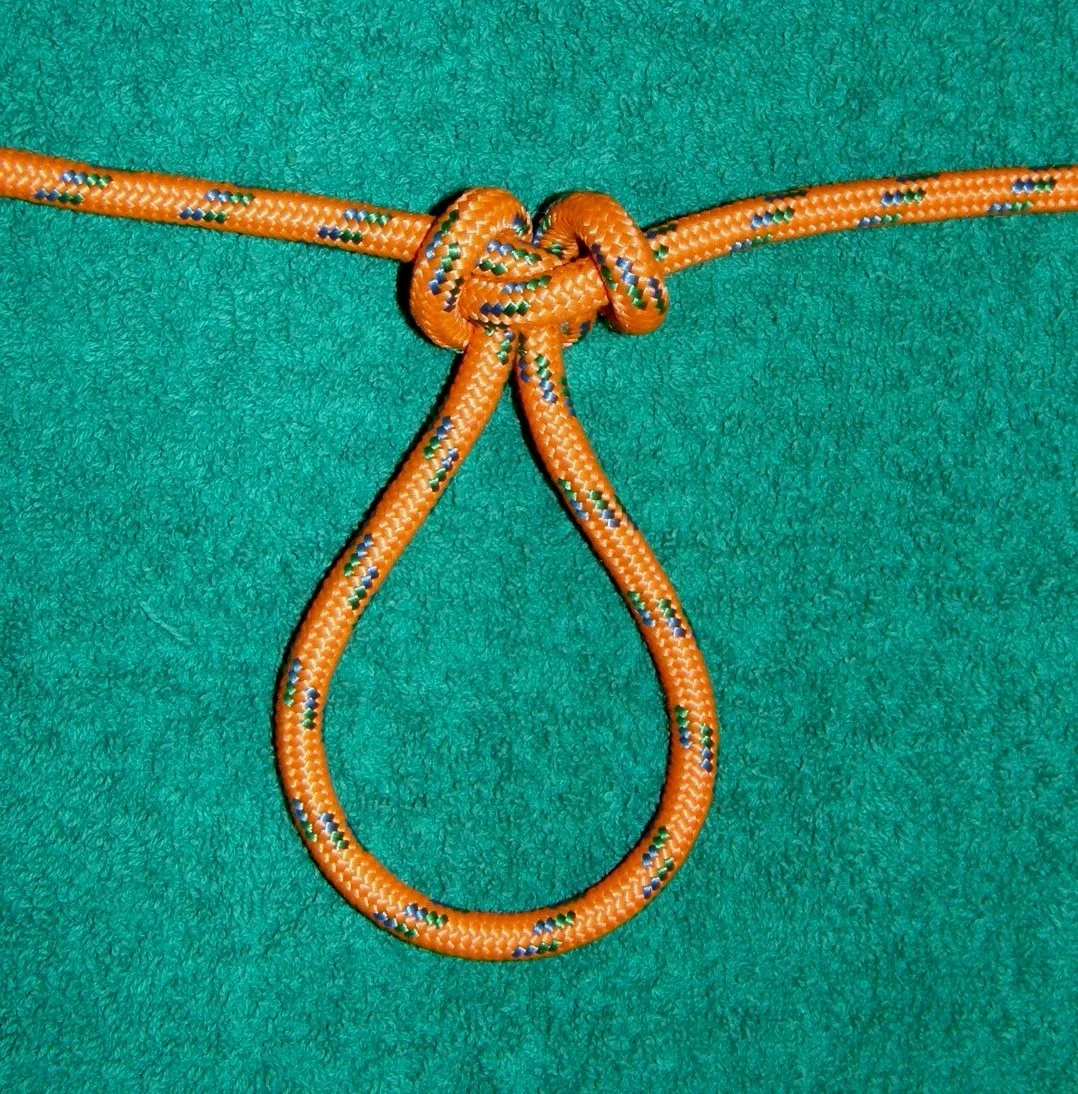
The alpine butterfly is useful for glacier travel, but is not a standard rock-climbing knot. StromBer | Wikimedia
Video Analysis
Pete Takeda and Jason Antin are back to explain an accident involving cleaning a top-rope anchor with mussy hooks. The catch? The climber was using an alpine butterfly tied to the middle of a full-length rope and clipped into the anchors with the wrong side of the rope. Tragically, the fall was fatal. This climber was less experienced than their partner and trusted that this was best practice in climbing.
When it comes to cleaning anchors, keep it simple, check your systems, and practice a lot before taking it 100 feet off the ground
Video Credits: Pete Takeda, Editor of Accidents in North American Climbing; IFMGA/AMGA Guide Jason Antin; Producers: Shane Johnson and Sierra McGivney; Videographer: Foster Denney; Editor: Sierra McGivney; Location: Accessibility Crag, Clear Creek Canyon, CO
Analysis
For most rock climbing, the choice of an alpine butterfly is unusual. John Godino at Alpinesavvy.com wrote ANAC, “The butterfly is generally not a standard beginner climbing knot. It is almost always used for glacier travel to tie in the middle climber to the middle of a rope. Rock climbers almost always tie into the end of the rope, especially when top-roping in a sport area.”
Had Amiel been using a mid-rope alpine butterfly knot, it would have created two lengths of slack rope extending from both ends of the knot. Though both sides would have appeared nearly identical, only one would have been belayed. Amiel may have top-roped up to the anchor, clipped the unbelayed strand into the mussy hooks, and then fallen to the ground.
In general, climbers of limited experience or those transitioning from the gym to the outdoors are especially vulnerable when cleaning anchors. The use of unusual or unfamiliar knots, gear, or systems in critical situations like lowering/cleaning is very dangerous.
Godino adds, “I would love to see ground-level anchor stations near beginner areas or on the approach trail. This would provide beginner climbers a place to practice clipping and cleaning, before they get on the rock.” (Sources: Anonymous, John Godino, and the Editors.)
Editor’s Note: We published this report in 2025. A good point has been made that any knot—like a figure 8 on a bight—might lead to the same result if used as a mid-rope tie-in/clip-in point. The butterfly knot is less a culprit than the location where it was tied.)
The Prescription is Supported By: