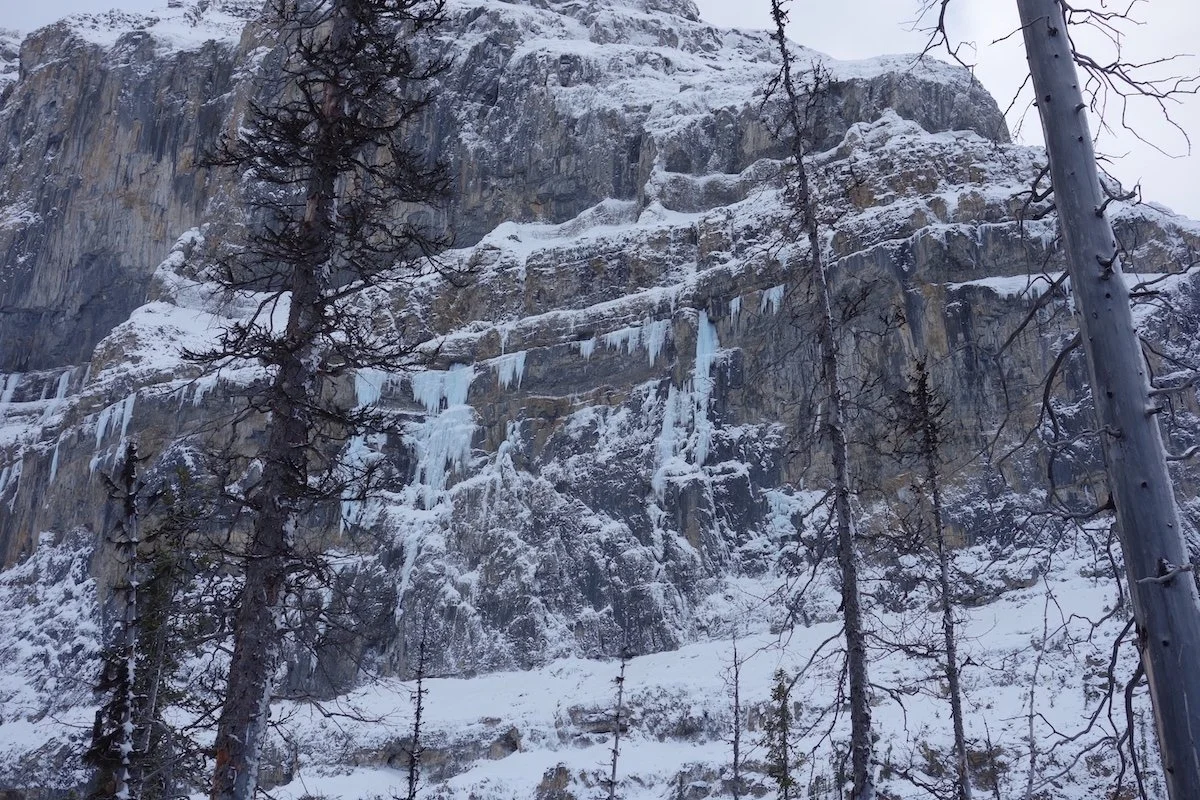
This month, we feature an accident that occurred in 2025 on Mt. Baker’s Squak Glacier, on the peak’s southern facet. On May 23, Daton Nestlebush fell into a crevasse while on a snowboard descent. His partner Manny Pacheco, travelling on skis, effected a rapid rescue. Pacheco captured a rare POV video of this successful 1:1 partner crevasse rescue and later posted it on Instagram (@pmannyy). Below, we feature this remarkable video, along with a blow-by-blow analysis by IFMGA guide Jason Antin.
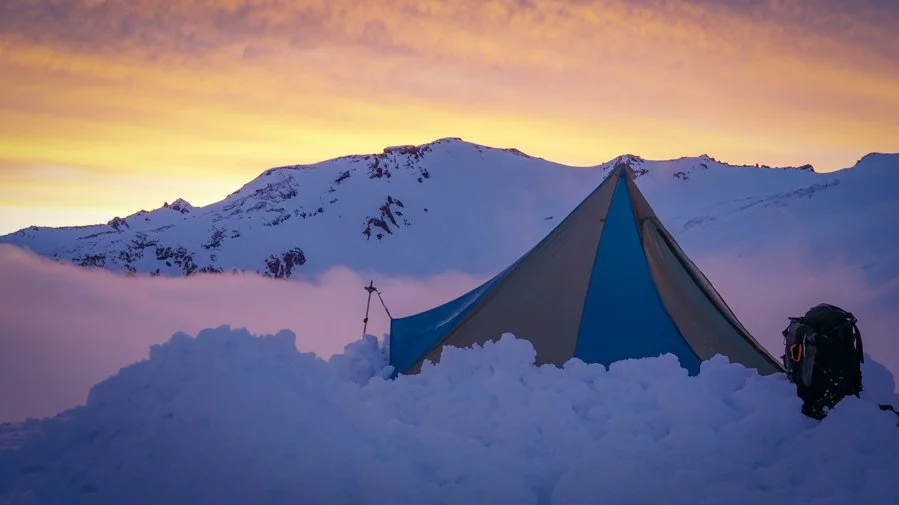
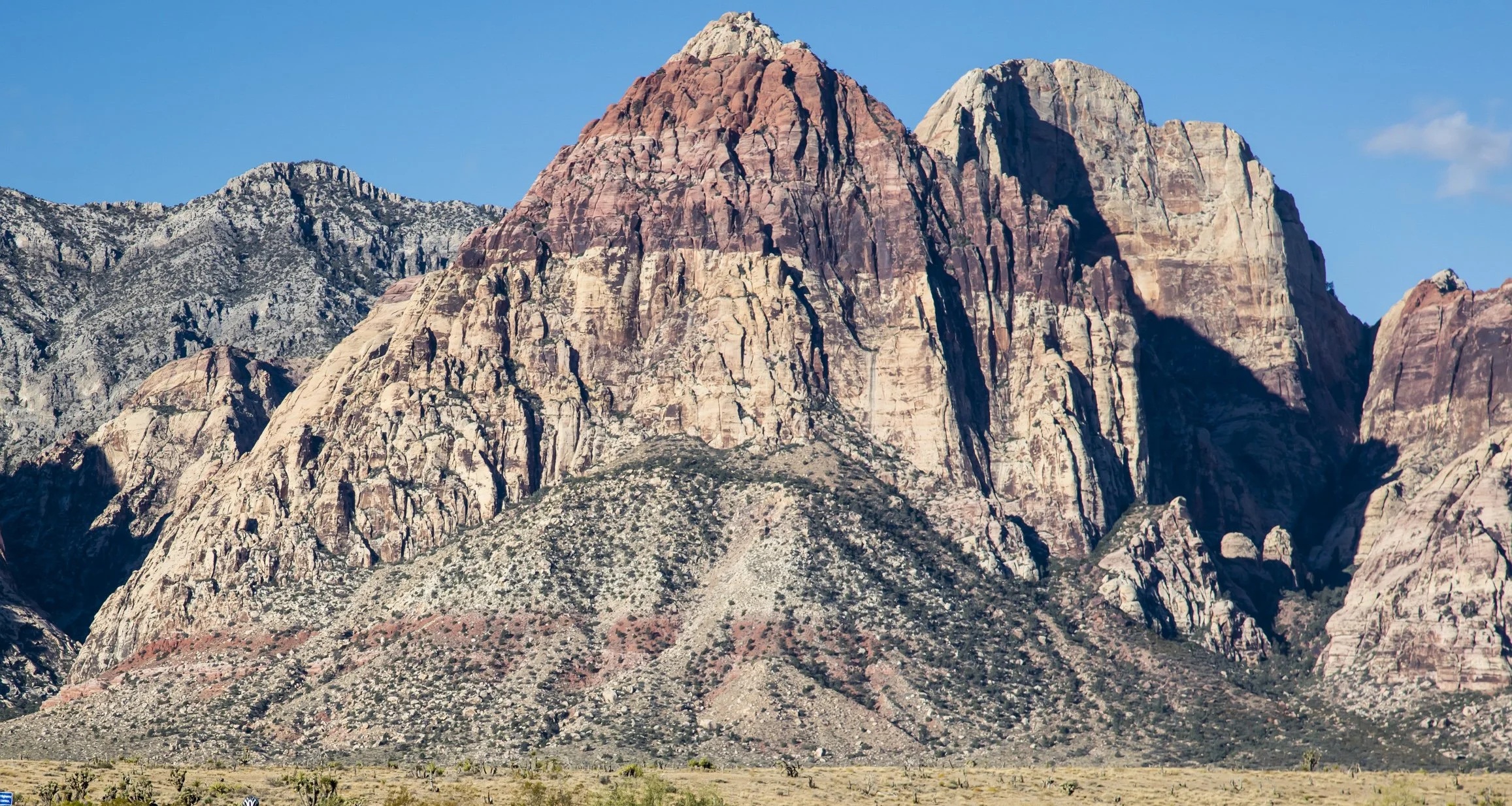
Mt. Baker’s Squak Glacier is the glacier/snowfield on the left-center of the peak. This classic ski-mountaineering route, known for its excellent corn skiing, is one of Baker’s most popular ski descents. It requires extensive glacier travel and offers thousands of feet of descent. Photo by AAC member and grant recipient Craig Muderlak.
Crevasse Rescue | Fall Into Crevasse
Mt. Baker, Squak Glacier
On May 23 at 3 a.m., my longtime friend Daton Nestlebush (26) and I, Manny Pacheco (27), set out to ski Mt. Baker via the Squak Glacier route. I’m experienced in ski mountaineering and crevasse rescue, and I hold an AIARE 1 avalanche-training certification. Daton had limited experience in high-alpine terrain—this was his first time on a glacier attempting to summit a Cascade volcano.
Earlier, our team had thinned from four members down to two. I took the risk of glacier travel with an inexperienced partner because of my familiarity with the route. We reached the toe of the Squak Glacier at 5:15 a.m. and put on harnesses. I taught Daton how to bury a picket and fix a rope to it—the minimum self-rescue skill one needs if one falls into a crevasse and is still conscious.
We reached the top by noon (my seventh Mt. Baker summit). We then transitioned into descent mode and made our way down to the Squak Glacier, skiing 500-foot pitches while taking turns watching each other. At 1:15 p.m., at 7,950 feet, I stopped abruptly when I saw large crevasses 100 feet ahead. I radioed Daton, still above me, to traverse to skier’s right and keep a high line. He passed, and we both started a 300-foot descending traverse to bypass hazardous convex terrain.
As I followed, Daton collapsed a thin snow bridge and dropped into a crevasse. He raised his arms into a “T” shape, catching himself between the uphill and downhill crevasse lips. His snowboard tip caught an ice chunk four feet below the surface. Only his arms and head were visible.
My most pressing goal was to anchor Daton. I immediately redirected uphill and crossed another small crevasse. I stationed myself 20 feet uphill, using my pole to probe. I told Daton not to move and that I’d throw him a rope in 60 seconds. “You’re going to be okay,” I reassured him.
He was holding himself strenuously by his arms above the crevasse, which we later estimated to be 60 feet deep. He said, “Can you make that 45 seconds?”
Fortunately, the late-spring snow was perfect, and I made a trench and buried a picket in a deadman position, stomped it one foot deep, and backfilled the trench. I clipped the picket and tied another figure eight on a bight 20 feet from the anchor and threw it to Daton. My split-second decision to use the eight was based on urgency. Daton was able to grab the large loop—he later said this was critical to his survival.
I knew the clock was ticking but stayed methodical. Daton grabbed the figure-eight loop with his right hand. As he let go of the uphill lip to clip, he dropped a couple feet, fully weighting the system. At the same time, I attached myself to the rope as a secondary anchor. This all felt like ten minutes but, in reality, it was probably more like 30 seconds.
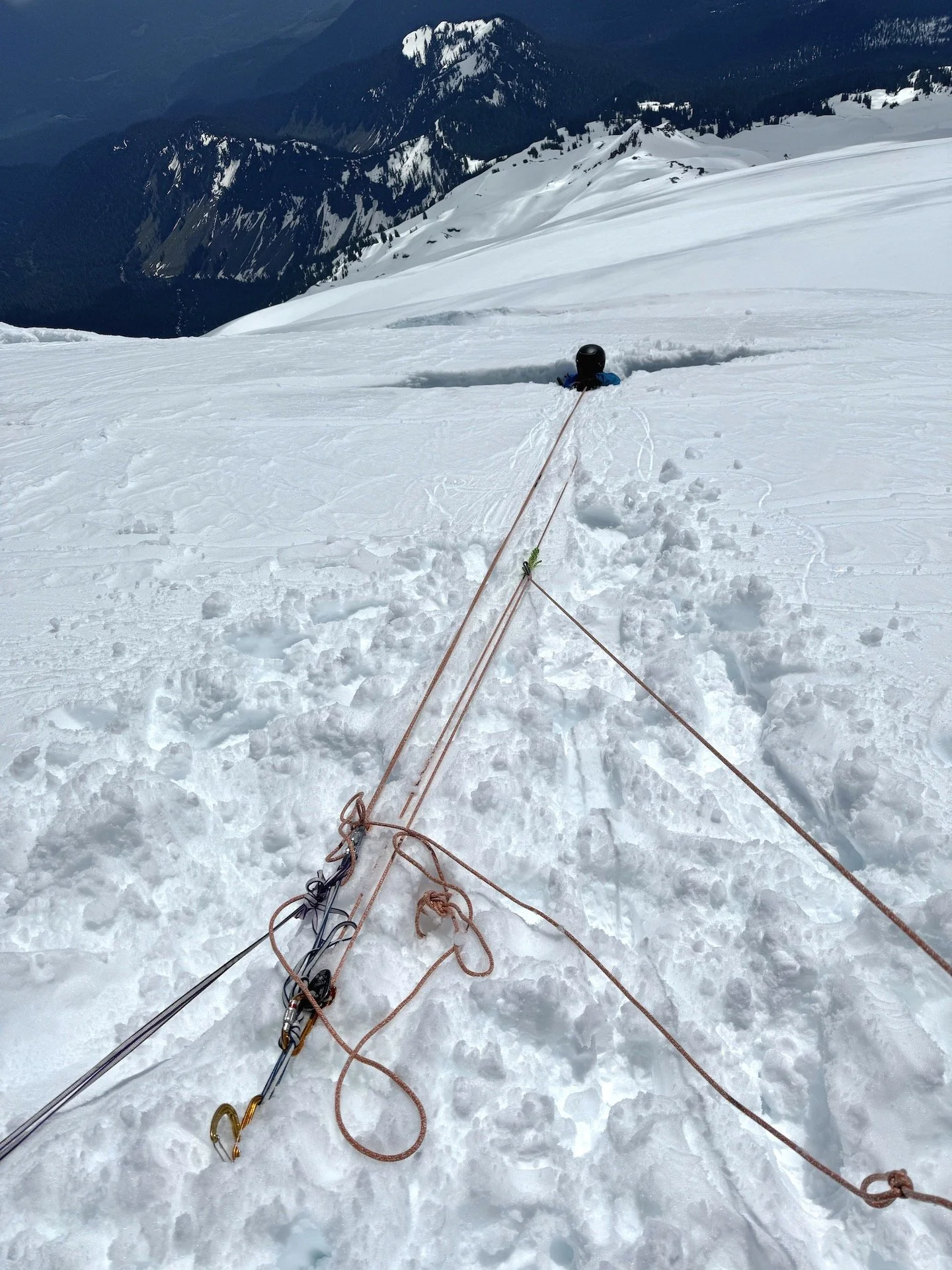
Daton Nestlebush emerging from the crevasse. Minutes prior, Nestlebush’s head was five feet below the surface after he fell ten to twelve feet into the deep pit. Photo by Manny Pacheco.
I wanted Daton to pull himself over the lip, but after his head dropped below the surface, this was no longer possible. I began setting up a haul system by burying my ice axe in a deadman, connecting it to the picket, and creating a master point. I took myself out of the system and reconnected with an extended prusik. The weight transfer lowered Daton another few inches; his head was now five feet under the surface.
Although this stage was less time-sensitive, I was still concerned about “Harness Hang Syndrome”—suspension trauma in which the victim loses consciousness due to lack of blood circulation. I began to rig a 3:1 haul system. I threw a rope end down to Daton, and he clipped it onto his belay loop. Although I was unable to “prepare the lip” with a pole/axe underneath the loaded rope due to the probability of a secondary crevasse, I figured we could problem-solve for this once his head was above the surface. I placed a Micro Traxion on the master point and a prusik on the load line. I clipped the redirected load line onto my belay loop and told Daton to expect to be raised. After double-checking the system, I bear-crawled uphill until the prusik had to be reset. A 3:1 system with friction meant I was pulling 100 to 120 pounds. I repeated the sequence of bear crawling, resetting the prusik, and repeating.
Daton’s face was now above the surface, but progress halted as the haul rope cut into the lip. I threw him the original end of the rope to clip onto his pack. I also told him to unbuckle one of his snowboard boots and use the original fixed rope as a handline. Being able to use his feet, eliminating the pack weight, and having a handline allowed Daton to escape the crevasse.
VIDEO ANALYSIS
Manny Pacheco’s video gives us a firsthand look at a real-time crevasse rescue. In this month’s Prescription video, IFMGA/AMGA Guide Jason Antin reacts to the footage and walks through the rescue step-by-step, highlighting what went well and offering recommendations for similar situations.
ANALYSIS
Regardless of how “chill” or (seemingly) filled, an unlucky pressure point on a glacier can lead to a nightmare scenario. The snow bridge was intact; the hidden crevasse was exposed only after the bridge failed.
Fortunately, Daton was in front and I had a visual. Had he fallen into the crevasse behind me, I might not have immediately noticed. This would have dramatically delayed any rescue.
It was lucky that the less experienced person was the one who fell. Had I fallen and become unconscious, we’d likely have needed the help of other skiers nearby. It was also good that Daton caught his fall at the lip—preventing a 60-foot fall—and was able to hold on for the two minutes it took to fix the line. Had Daton been alone with no witnesses, he likely would have fallen below the surface. Snow/ice dampens any yelling.
The process and system I used were not flawless, but I had to act decisively. In practice scenarios, you have time to prep, but in reality, things happen fast. The key is to stay methodical; slow is smooth, smooth is fast.
I should have stopped Daton before he passed me, as he is much less experienced in this terrain. Had he followed me in a higher traverse line, he likely would have avoided the crevasse fall. Also, if I had looked at our position before reaching the convexity, we could have bypassed the crevasse earlier. I was too caught up having fun and skiing.
I’m now much more cognizant of communicating with my partners during glacier travel, as well as of their experience level. This report should encourage glacier recreators to acquire competence to handle worst-case scenarios. Please take crevasse-rescue courses from professionals and/or partner with knowledgeable friends and mentors. Had I not learned and annually refreshed these skills, the outcome would have been much different.
(Source: Manny Pacheco.)
The Prescription is Supported By:

Sign Up for AAC Emails
Explore Prescription Stories