
George Hurley and Layton Kor on the Titan, 1962. Photo by Huntley Ingalls.
A History of Climbing Helmets and an Updated UIAA Standard
By AAC UIAA Representative Stephen Gladieux, with research support from Denis Pivot, Lionel Kiener, and Alain Maurice
Translations of Chevalier and Bonatti by Stephen Gladieux
Originally Published in Guidebook XVII
Less than a thousand feet from the summit, on the north face of the Eiger, Gaston Rébuffat hooked a finger into a piton, left behind from a previous ascent. The night before, as they bivvied, Rébuffat was surprised to find himself sleepless, with a sense of bad omens. “The stars seemed so near that you could touch them, and the Milky Way shone with sinister brightness,” he wrote in his book Starlight and Storm.
On that July day in 1952, their surroundings did prove sinister. Stuck behind several slower parties and faced with warming temperatures, Rébuffat’s team had to inch their way across the tedious traverses that guarded the summit, often taking alternate routes in order to avoid bottlenecks.
As luck would have it, Rébuffat hooked that piton at the exact moment a thunderous crack boomed from above. A massive rock came tumbling down, bursting and splitting into pieces that struck Rébuffat on the head. “But the finger hooked through the piton still held. It was very painful, and felt as if it had been sawn through.... A little blood fell from my cap and reddened the snow-flecked rock.”
Yet, with his head aching and the motivation drained out of him, Rébuffat carried on. Rumor has it that Rébuffat had stuffed his hat with socks, as was the custom at the time when climbing in areas with rockfall danger, and some credit this habit for saving his life. Well, that and the piton.
Without the padding of his rudimentary “helmet,” Rébuffat might not have become the first man to climb all six of the great north faces of the Alps.
Since then, it’s fair to say climbing helmets have undergone an evolution.
Helmets: A History
The history of head protection in climbing starts earlier than Gaston Rébuffat’s injury on the Eiger. There was a parallel evolution, but staggered, between those climbing in the mountains and those exploring underground in caves.
In 1936, the trailblazing French caver Pierre Chevalier reported, “Helmets are beginning to be considered essential in sport caving.” However, during this period, and until around 1950, climbers aboveground were still wearing wool berets as the standard headwear. In 1948, Chevalier’s Escalades Souterraines (Subterranean Climbers) was published. It was one of the seminal works in early caving.
In the early 1950s felt hats became the norm. When there was risk of rockfall, they would occasionally be stuffed with socks or newspaper. This is where Rébuffat’s story takes the stage.
Four years later, in 1956, the ninth edition of Accidents in North American Mountaineering (now Accidents in North American Climbing) already showed an increasing preference for protective headgear. In comments preceding the accident reports, the editors wrote: “Another point that should be re-emphasized is the desirability of wearing a plastic helmet to protect the head from falling rock in areas where this danger is present. This has become a standard practice for some rock climbers in the Yosemite area.”
As helmets for other sports evolved, so too did climbing helmets. In 1954, Amisano Gino Valenza (AGV) produced the first fiberglass motorcycle helmet. It was used by many climbers until climbing-specific models became available.
Walter Bonatti knew helmets were critical. Describing his last ascent of the north face of the Matterhorn, done solo in winter, he wrote:
Again once more, I look to lighten my pack to move more rapidly. I toss food, two étriers, some pitons. I am tempted to get rid of my helmet as well, the glorious plastic helmet that, for four years, accompanied me on the most difficult enterprises. But after an instant of hesitation, I stay my hand and hold the helmet to my chest.
I caress its bumps as if they were wounds: each one of them corresponding to a rock, fallen off Mont Blanc, the Andes, so many other mountains. I placed it back in my pack.
It’s clear Bonatti recognized how many times the helmet had prevented injury. Despite the weight of early helmets, anyone who had their life saved by one would appreciate their value.
The new, lighter fiberglass motorcycle helmet and its growing use by serious climbers spurred the creation of helmets designed for climbers. Sporthaus Schuster was one of the earliest to come out with a model, released in 1960.
Helmets still weren’t used in a widespread way, however. They only had traction in select locations and circles of climbers. In 1966, Joe Brown developed a fiberglass helmet specifically for climbing. He only produced 50 or so of these before contracting with Mo Anthoine to make them. The Joe Brown helmet became popular with English-speaking climbers (and cavers) and was used extensively for decades.
In 1980, the first climbing helmet standard was created: UIAA 106. This was later used to create the European standard EN12492 in 2000, which made it a legal requirement for helmets sold in Europe.
With two milestones, 1993 was a big year for helmets. C.A.M.P. launched its LW 260 helmet. It was the first shell-and-foam-style helmet and weighed only 260 grams. That same year, Petzl started selling the once-ubiquitous Ecrin Roc. This powerhouse of a helmet, which most climbers have seen or worn, was the first with easy on-head adjustability. This allowed it to be loaned, rented, or borrowed easily. Many more climbers were able to try them or even swap them on climbs.
Helmets have continued to evolve alongside climbing. With helmets like the LW 260 and Petzl’s Meteor, which came out in 1997, the excuse that a helmet was too heavy for moving fast and light was seriously challenged. Helmets were becoming more and more comfortable.
In the earliest days of climbing, rockfall was considered the primary reason to wear a helmet. Both Gaston Rébuffat and Walter Bonatti prepared for rockfall hazards—and they both likely survived because of it. So, why did the standard for helmets need to change in 2025?
Ultimately, our climbing has changed, and so has the technology available to design helmets.
In an accident from 2022, ANAC editors reported on a leader fall at Smith Rock, where the climber got their leg snagged around the rope, flipped upside down, and smacked their head. The climber was not wearing a helmet. The analysis included the takeaway that “wearing a helmet would have prevented the skull fractures and brain bleed.”
Accidents like this certainly could have happened in the 1950s, but as we began to climb steeper routes, free, at ever higher grades, significant lead falls became more frequent. A fall on steep rock at Smith Rock is not going to result in a broken ankle from hitting a ledge as much as it might result in an inverted climber hitting the side of their head on the wall.
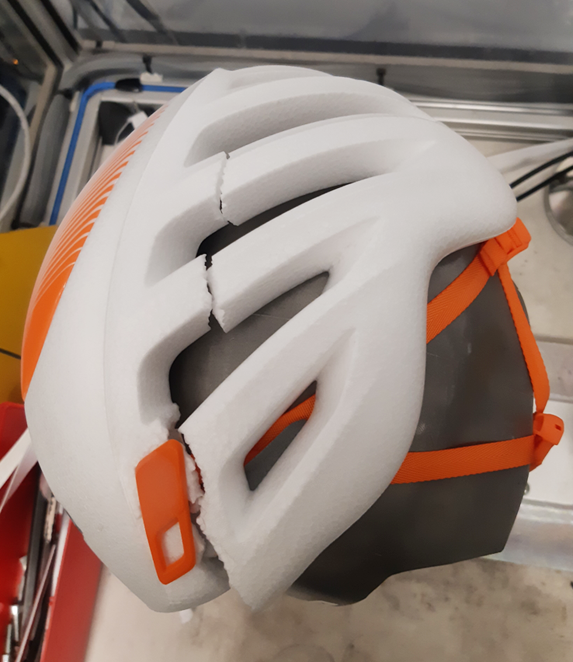
In 2023, when a climber was lowered off the end of his rope, having tied no stopper knot and misjudged the length of the climb, the climber suffered a serious head injury. Witnesses wrote to ANAC: “While we didn’t see the fall, we understand that he fell feet-first onto a flake near the bottom. He landed, tilted backward, and impacted the back left side of his head, crushing his helmet and sustaining a horrible head injury. The total fall was about 35 feet.” Though the climber was wearing a helmet at the time of the accident, it was not certified with any sort of rim impact. The crushed helmet shows that the climber was better off than had they not been wearing one, but it raises questions about helmet designs that were never forced to consider rim or side impacts.
The injury described above is one that doesn’t require a steep, hard climb. Rappel accidents are unfortunately common. Both of these accidents highlight that when we design helmets, we should care not just about protecting from rockfall, which is typically from directly above or a slight off-angle—rim impact is important too.
Climbing has changed over the decades. Routes are steeper in both rock and ice. Climbing and skiing have blended more and more. Ski mountaineering is becoming nearly mainstream. We must be more concerned with protecting ourselves from rim impact injuries, be it from flipping on a steep climb or falling while skiing—or something else unexpected.
A helmet can prevent injury in many cases or reduce the severity of injury. Modern helmets are not built with a nearly indestructible shell like early fiberglass helmets. Rather, they are designed to crush during impact—that is how they absorb some of the impact forces and spread the remaining force out, therefore making the peak force lower.
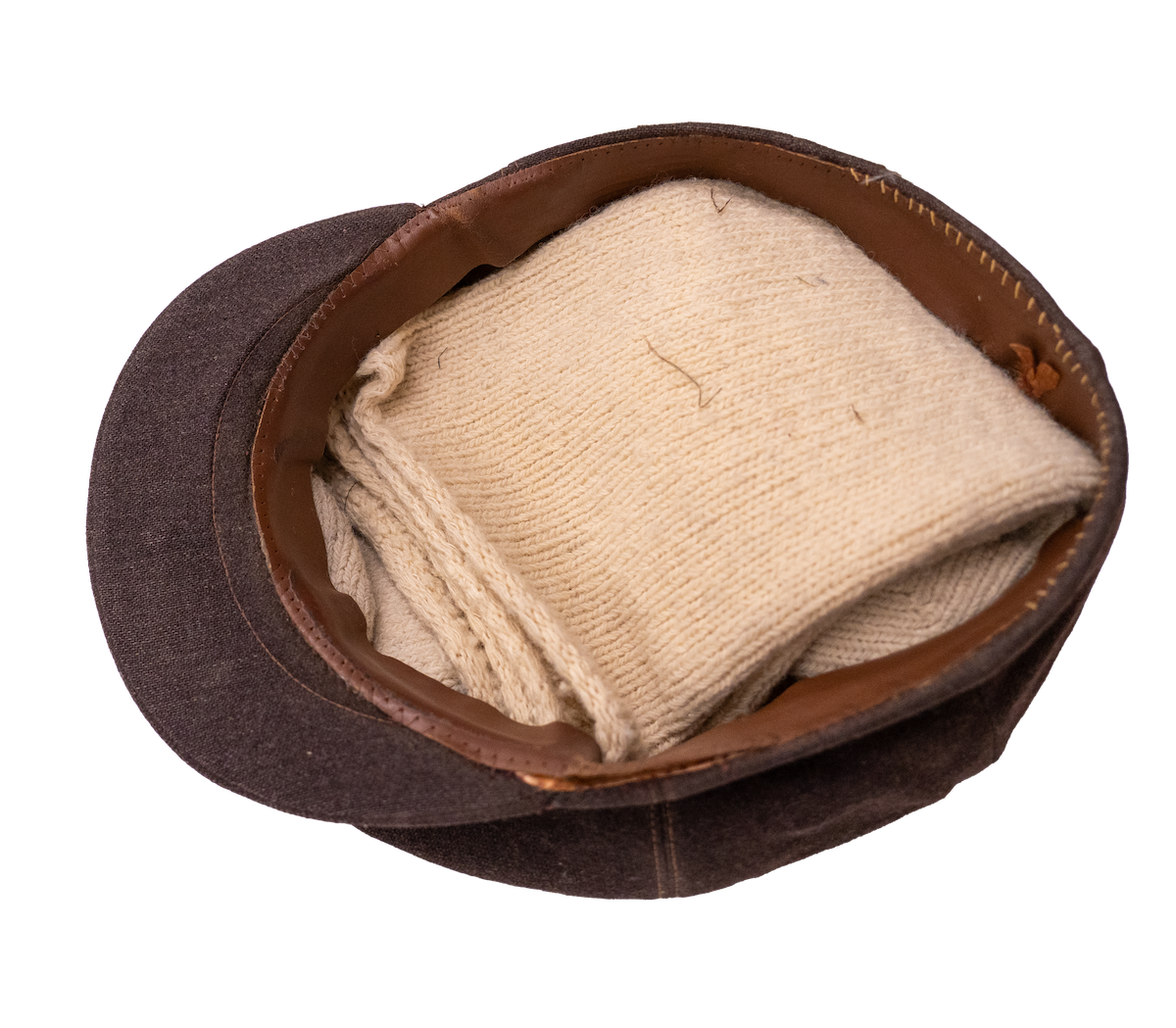
Berets stuffed with newspaper/socks.
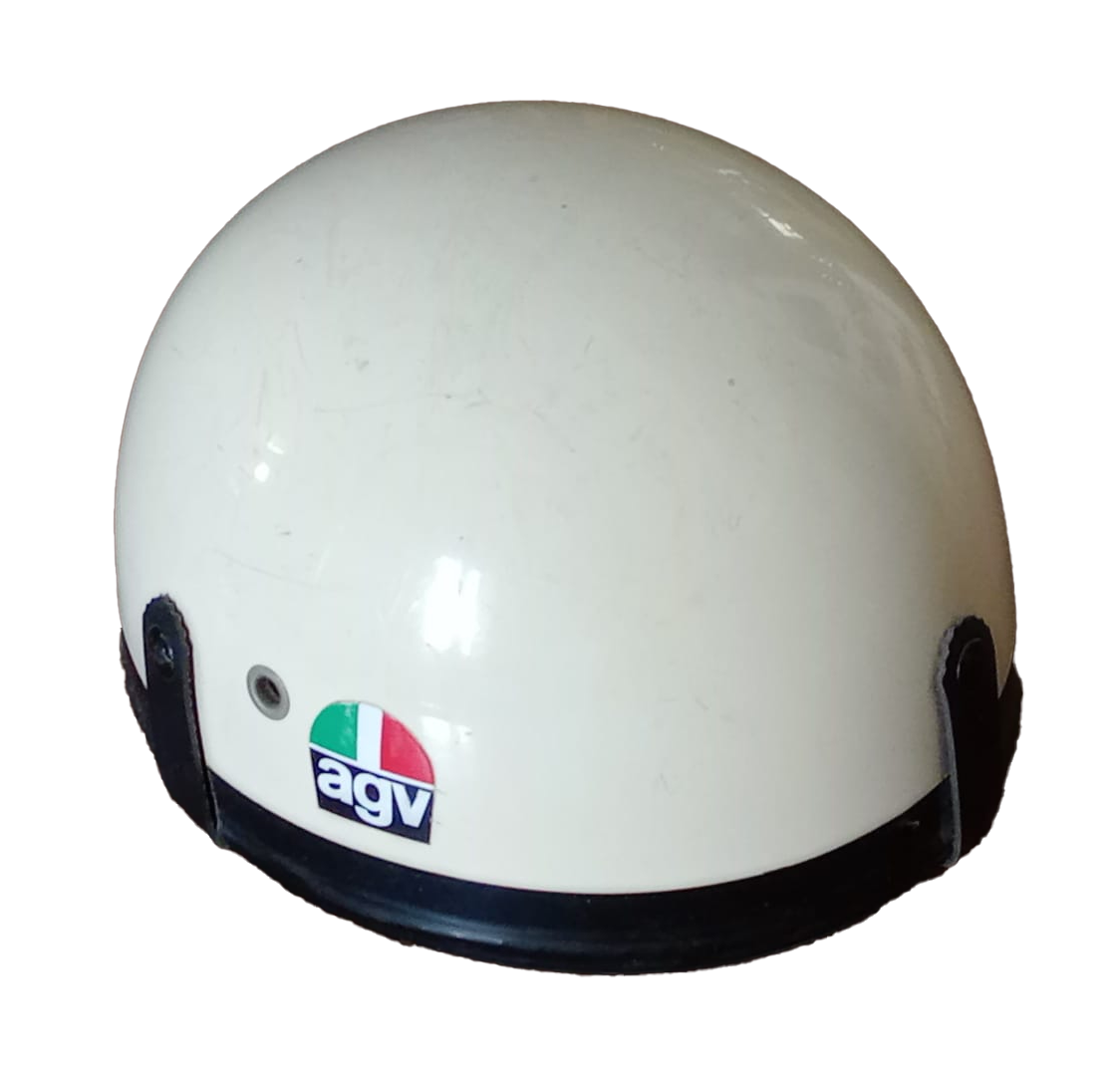
First fiberglass motorcycle helmet.
1936: Pierre Chevalier reports that helmets begin to be used in sport caving.
1940s: Bérets used by French Alpinists.
1950s:
Amisano Gino Valenza (AGV) makes the first fiberglass motorcycle helmet.
French climbers favor berets stuffed with socks or newspaper
Pre-1960: Helmets are rarely used in climbing (outside of caves).
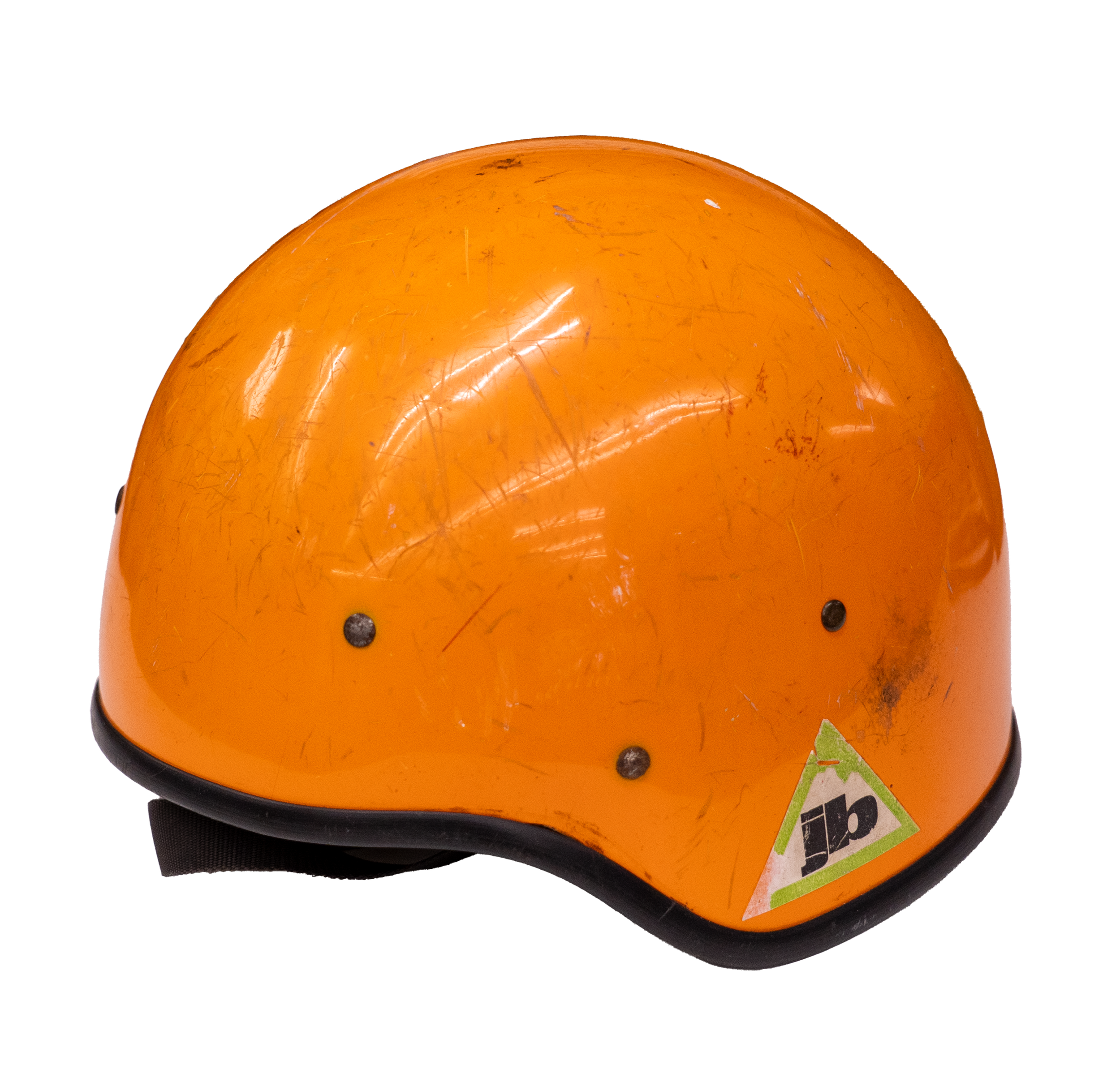
Joe Brown’s climbing helmet.
1966: Joe Brown produces a fiberglass climbing helmet that weighs 650 grams.
1980: The first UIAA 106 Helmet standard is published.
1993: Petzl releases its Ecrin Roc helmet. C.A.M.P. comes out with the shell-and-foam LW 260, at 260 grams.
1997: Petzl goes even lighter with the Meteor.
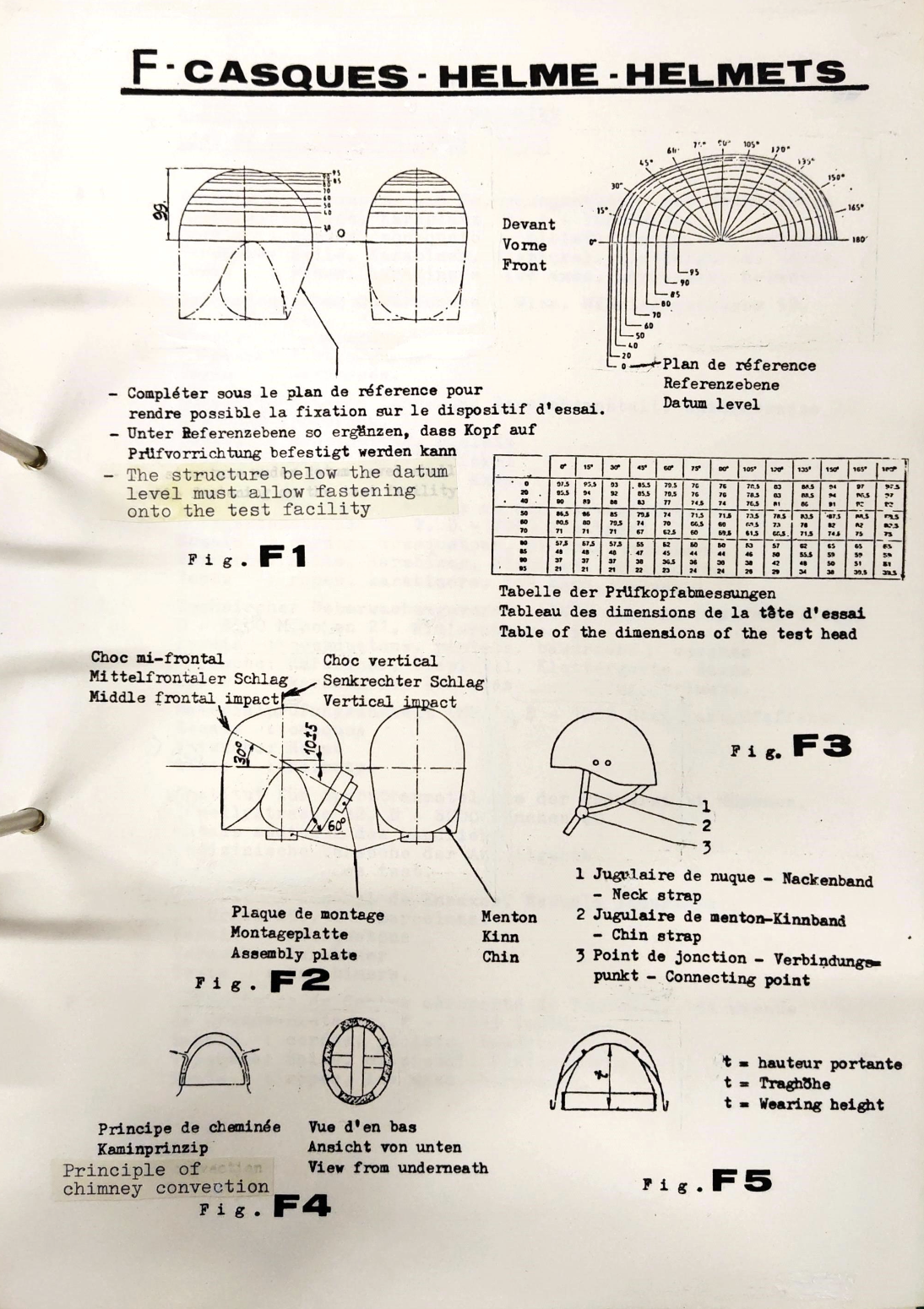
First UIAA 106 Helmet standard.
2000: The EN 12492 standard is published using UIAA 106.
2018: Petzl shares its PCSR-001 ski touring helmet testing standard with other manufacturers.
2025: UIAA 106 is updated with 10° rim impact.
2026: The UIAA will establish a ski mountaineering helmet standard.
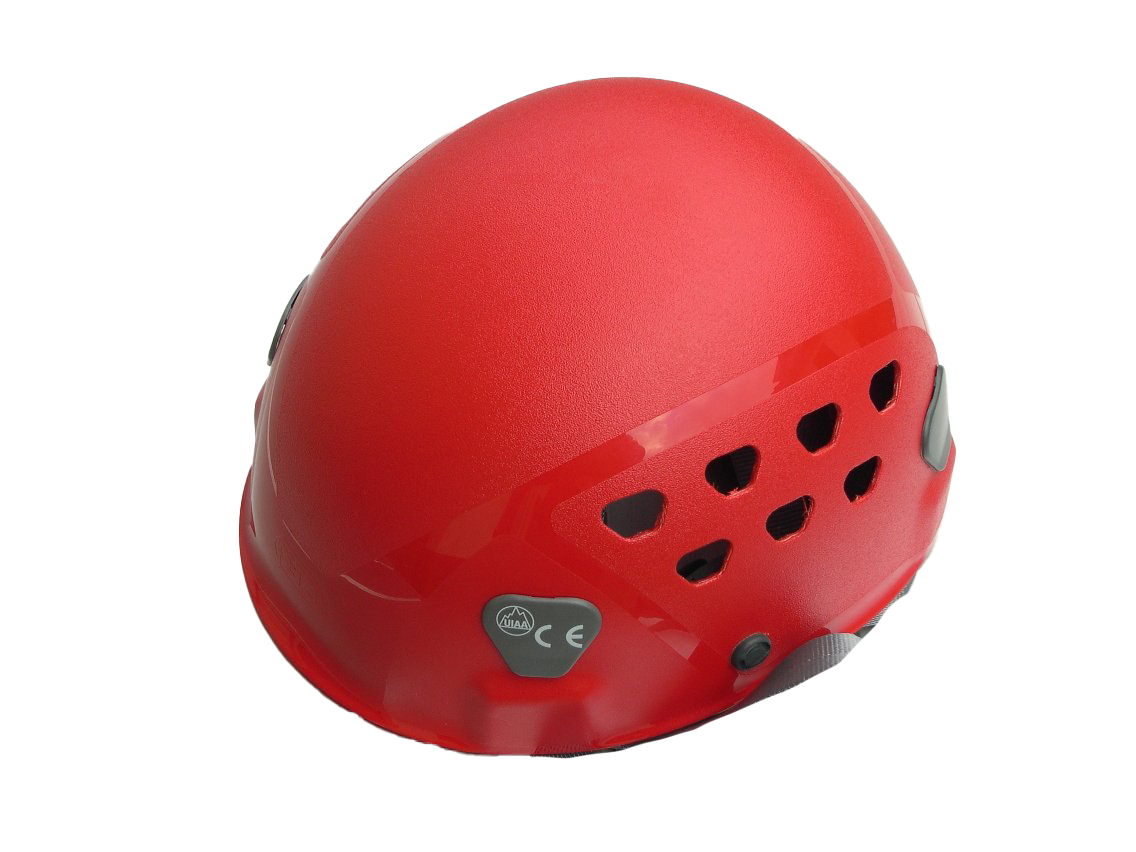
Petzl Ecrin Roc helmet.
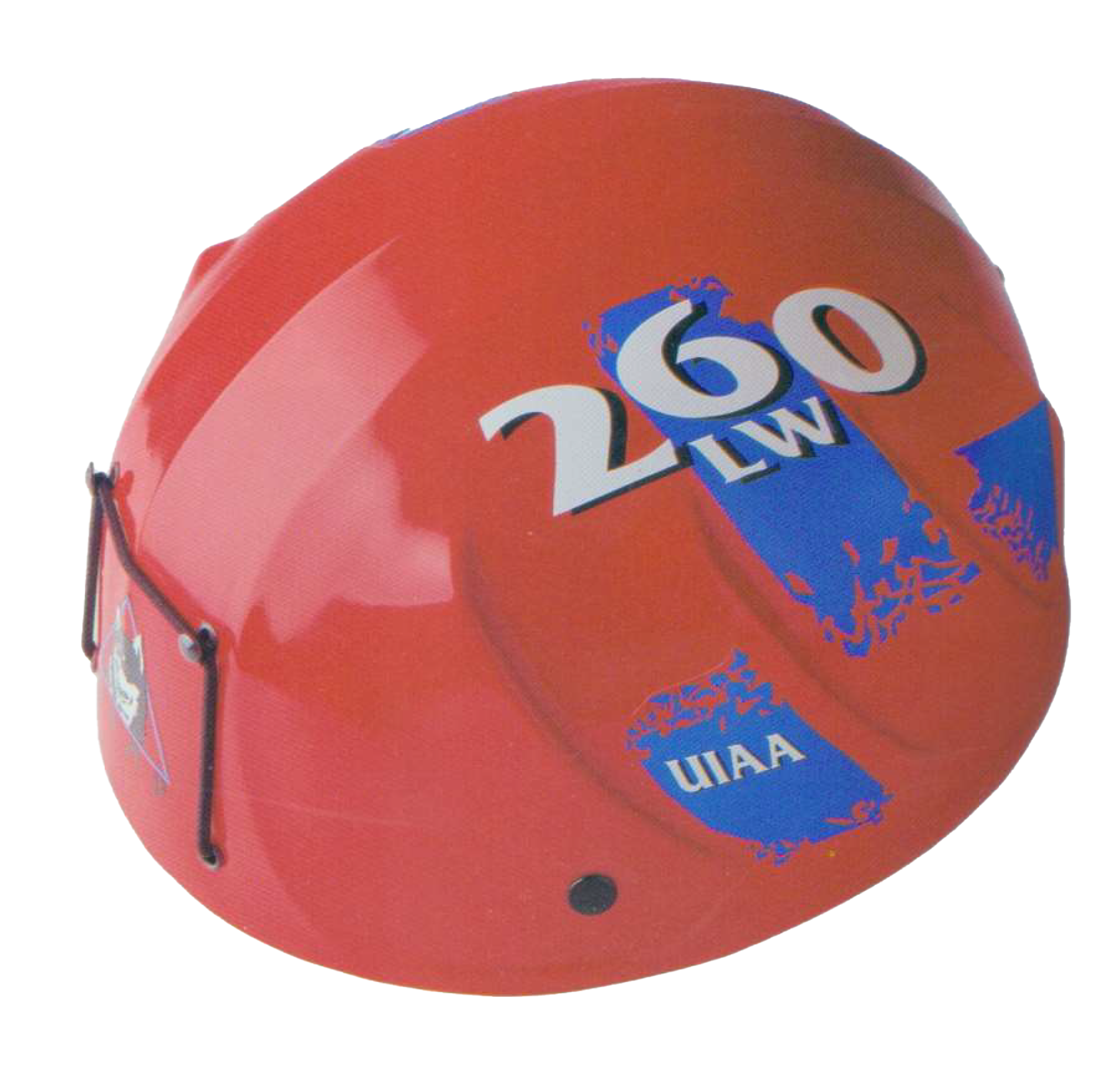
C.A.M.P. shell-and-foam.
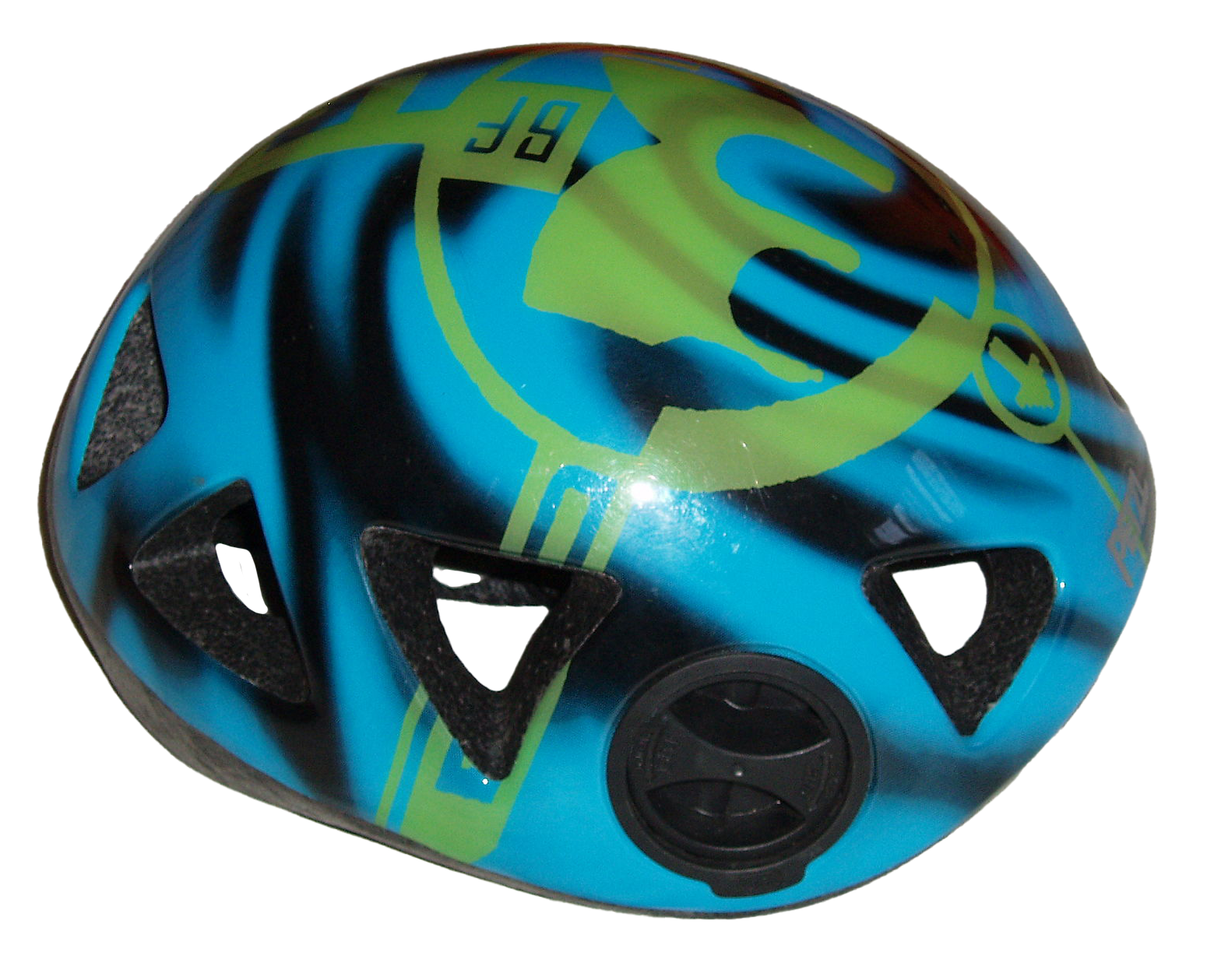
Petzl meteor.
Modern Helmet Standards
The UIAA 106 helmet standard has now been updated since its first version in 1980. It consists of multiple requirements based on the variety of ways in which a helmet needs to protect a climber. Helmets are conditioned at different temperatures and humidities before testing—for example, they’re artificially aged with UV radiation to simulate degradation over time—all to ensure they work in the environments where we climb. The real soul of the standard can be boiled down to a few key ideas: A helmet has to prevent a sharp rock from penetrating, it has to absorb impact forces, and it has to stay on if it gets pulled or pushed up or off your head.
As more accidents like the ones described above occur, due to the increased prevalence of that kind of impact, it is the middle requirement that we need to look at in depth. What does impact absorption mean? How do we control it?
One of the most common serious closed head injuries happens as a result of a sudden impact to the head. In a coup-contrecoup injury, the head is typically moving very quickly and then is stopped by an immobile object. The brain sloshes forward and hits the inside of the skull, then rebounds and hits the other side, getting damaged in both cases. With this and other types of traumatic brain injury (TBI), the goal is to slow the acceleration (or deceleration) of the head. We do that by limiting the forces that get transmitted to the head when it is impacted.
The UIAA helmet standard allows a maximum of 8 kN of force to be transmitted to your head. Essentially, when a bigger impact (sudden) force hits the helmet, it needs to slow down that transmission to your head.
The UIAA standard limits this to 8 kN, whereas the EN standard only limits it to 10 kN—so a UIAA-certified helmet is much safer than one only certified to EN 12492.
The UIAA Safety Commission took the lead on a revised helmet standard because of the large amount of research and testing involved. We could be more nimble and get an update published much more quickly. And of course, the sooner a standard is published, the sooner the wheels can get turning on implementing it, as there is a lag time between a new or updated standard and when manufacturers are able to change designs or update testing, and finally get a new product on the market.
From 2022 to 2025, the UIAA conducted a large helmet study with nine labs and numerous manufacturers. One of the most difficult issues was standardizing the impact testing in a way that consistently worked, given the different testing apparatus at different labs and manufacturers. Also, helmets have ventilation holes in different places. Any ventilation hole means you might get unlucky with a sharp rock, but the test shouldn’t favor one ventilation hole pattern over another arbitrarily; though, if a ventilation pattern is truly better, the tests should show that. These are the shared challenges for manufacturers and the UIAA Safety Commission.
Several years of work resulted in an updated helmet standard that includes testing for impact absorption 10° above the helmet’s rim on the front, back, and sides. Helmets will be coming onto the market in 2026 that will be tested to this new standard.
Wearing a helmet is a deeply personal safety decision. Bonatti’s indecision was ultimately swayed by memories of the times his helmet saved his life. But a helmet doesn’t last forever; they break down with time, UV exposure, and small impacts, even if there is no major event. Check the manufacturer’s recommended lifespan and inspect your helmet for damage. It can be worthwhile to upgrade to a new one even if your current helmet isn’t quite to the end of its recommended life.
Now, almost 74 years after socks in his hat likely saved Rébuffat’s life, we can have confidence that a new helmet can do the same for an accident that impacts the rim.
Sign Up for AAC Emails