By Sierra McGivney, with research and imagery support by the AAC Library.
A lone blacksmith gazed out his window one morning in 1945. He felt awful. After 13 years of working away in his San Mateo, California, forge, located on Highway 101, his health had begun to decline. He watched as a cow and its calf grazed peacefully in a field.
“John, look at those healthy animals. They eat grass, not meat. You eat meat, and you are always feeling sick,” said the voice of an angel.
The angel and the blacksmith conversed a while more. Suddenly, it all clicked for the blacksmith: Vegetarianism was the answer to his problems. Little did John Salathé, the blacksmith, know that his sickness and this moment would propel him toward the tall granite walls of Yosemite, solidifying his spot in climbing history.
Salathé was an immigrant from Switzerland who headed westward, landing first in Montreal, where he met and married Ida Schenk. He then immigrated to the U.S., settling near the Bay Area. There, he opened up Peninsula Wrought Iron Works, his blacksmith shop. He was described as lean and ruddy, and spoke with a thick Swiss accent.
Once Salathé began to fall ill, doctors recommended that he spend time in the Sierra Nevada, where he learned about the Sierra Club. In the fall of 1945, Salathé joined the Sierra Club on a climbing outing at Hunters’ Hill near Vallejo, California. Robin Hansen led a complex and exposed pitch of climbing. He called down to Salathé to “climb freely.” Hansen tugged on the rope but felt no movement or weight. After two or three minutes, Salathé appeared from around the corner unroped because he thought that to climb freely was to free solo. This was the beginning of many instances in which Salathé scared his climbing partner by being extremely bold.
“Height had no meaning to John, and to him fear was a stranger,” wrote Hansen in his tribute to Salathé in the 1994 AAJ.
Salathé started to feel physically better, between his newfound vegetarianism and passion for climbing. Naturally, Salathé was drawn to Yosemite. At 46, he quickly picked up the basics of climbing but was not the most agile; therefore, he leaned into the technical aspects of climbing that were then evolving in the Valley.
Piton technology, when Salathé started climbing, was subpar, so he decided to forge his own. Most pitons at the time were malleable steel pitons, bought at the army surplus store or imported from Europe. They worked great in parallel-sided cracks, but most cracks are irregular along the edges and in the back—the pitons pounded into these fissures tended to get stuck, and if they were removed, they were often too damaged to be reused. Salathé’s high-strength carbon steel pins were far tougher than the European pitons of the day. On each, he added a P inside a diamond, the logo of his blacksmith shop. He could make them big, small, wide, narrow, or long, for the type of cracks he encountered on various climbs.
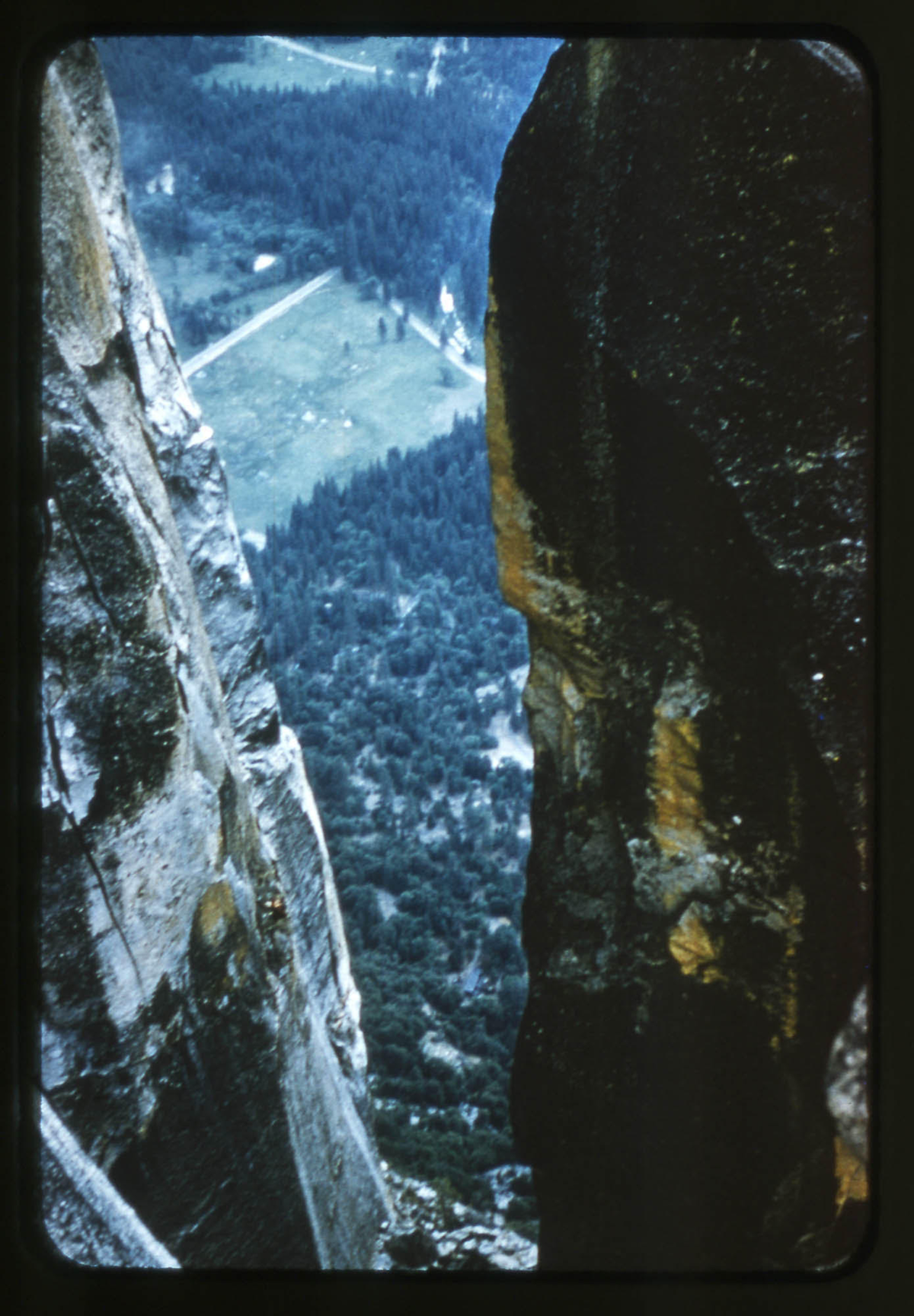
In 1946, Salathé convinced his friend John Thune to climb the Lost Arrow Tip with him.“I have found a rock in Yosemite that has never been climbed. It is an easy one,” he told Thune. The Lost Arrow Tip is a 250-foot formation, now classified as Grade III, 5.7 C2— not an easy climb, then or now.
Thune, less experienced than Salathé, was the belayer. As Thune stood in the Arrow Notch, belaying, he watched as Salathé’s first piton, of his own making, popped out, and Salathé went for a ride into the void.
“Slowly, John worked his way back to the notch and said with a smile, ‘Well, we start over again.’ He had little fear of high places. I did the shaking for him,” Thune later said.
They got about 30 to 50 feet from the summit, but darkness was approaching, so they retreated. Competition was stiff in the Valley. Unfortunately, another group—the foursome of Robin Hansen, Anton (Ax) Nelson, Fritz Lippmann, and Jack Arnold—just days later got to the summit first by lassoing the Arrow Tip from across the rim. Salathé later told Steve Roper in all seriousness that this competing team had enjoyed “the help of the devil.”
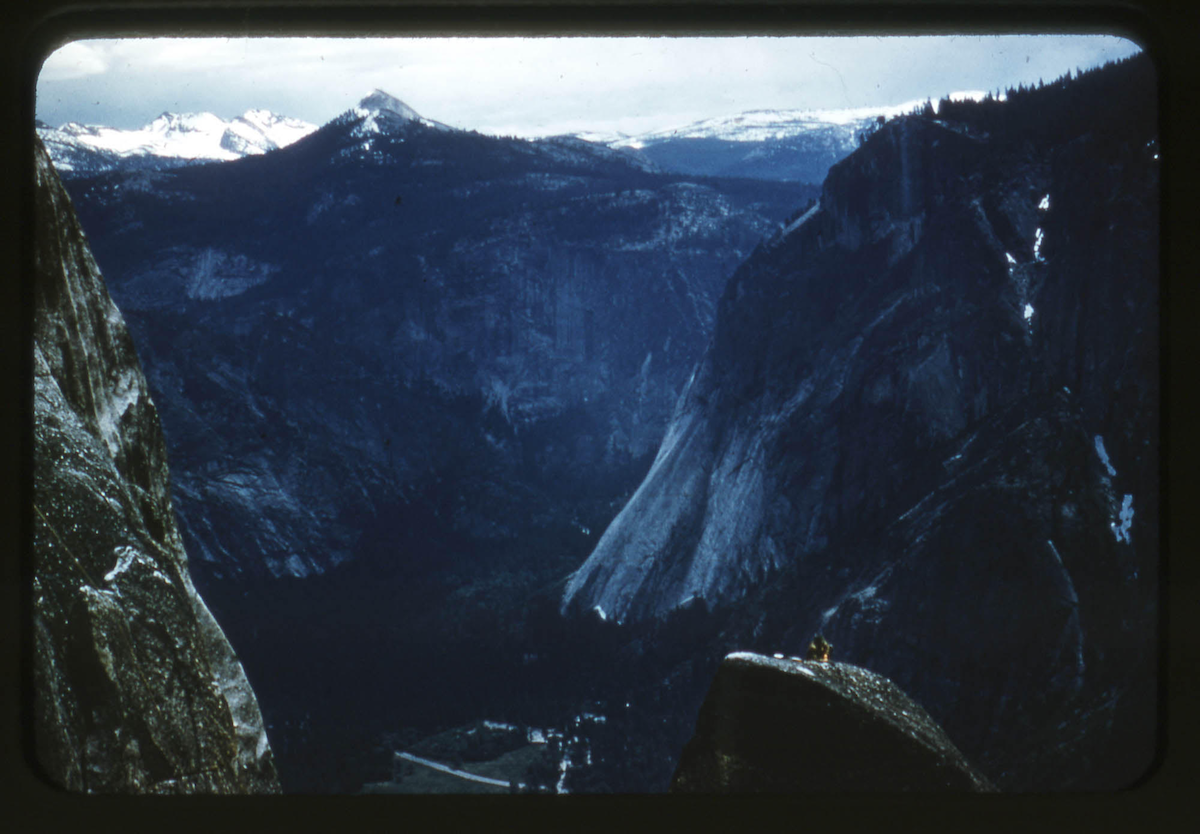
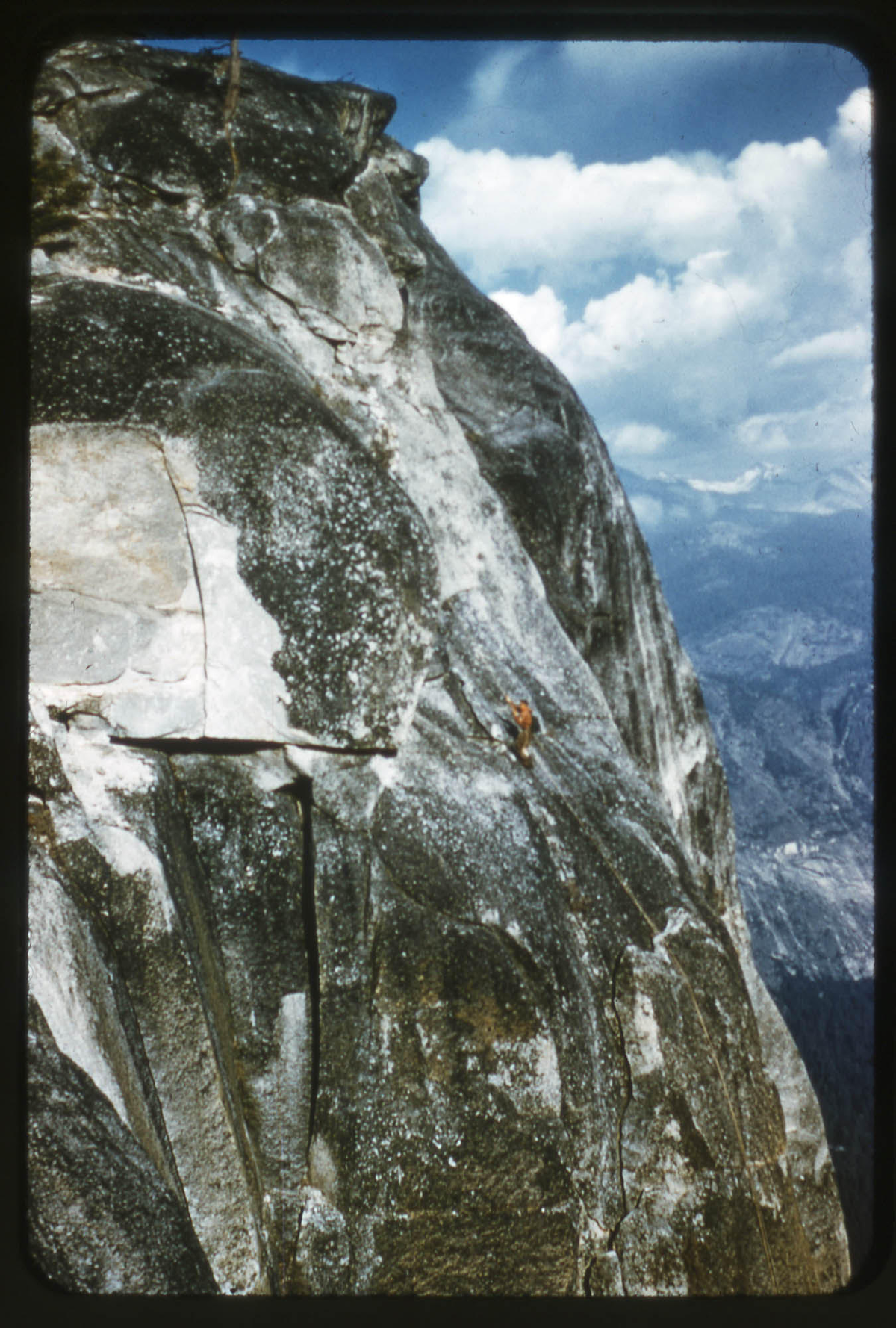
Later that year, Salathé and Ax Nelson climbed the Southwest Face of Half Dome (800’, 7 pitches, Grade IV) in Yosemite. They bivouacked and placed 150 pitons as they ascended, both a first for Yosemite. According to Roper’s Camp 4: Recollections of a Yosemite Rockclimber, for the next year, this stood as the hardest rock climb in the United States, until Salathé and Nelson climbed the Lost Arrow Chimney (1,100’, 10 pitches, IV 5.10a) in 1947. It was the most challenging climb at the time and the first successful big-wall ascent in the United States, done in a single push that took the two men five days and five nights. The sun was rising on the golden age of climbing in Yosemite.
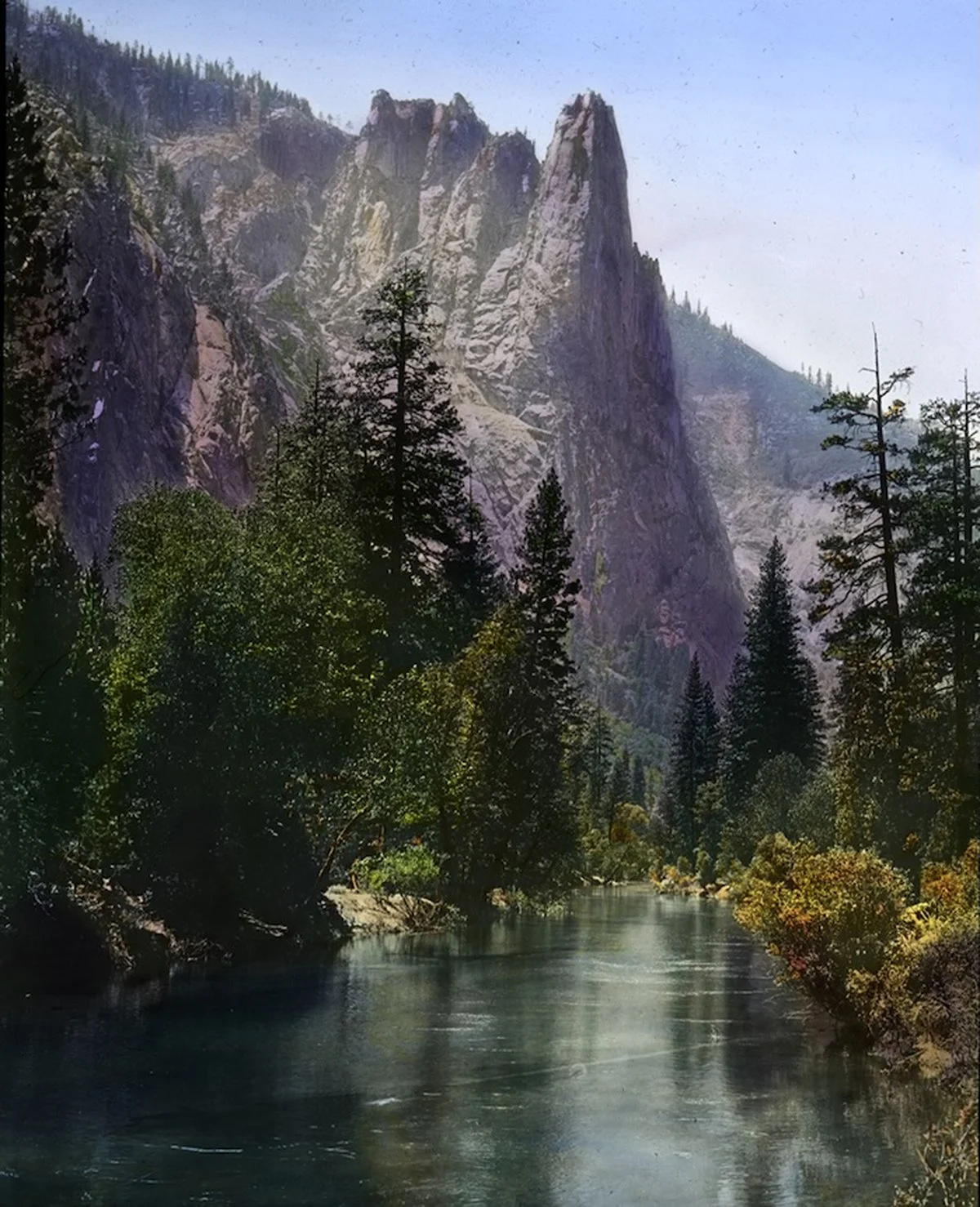
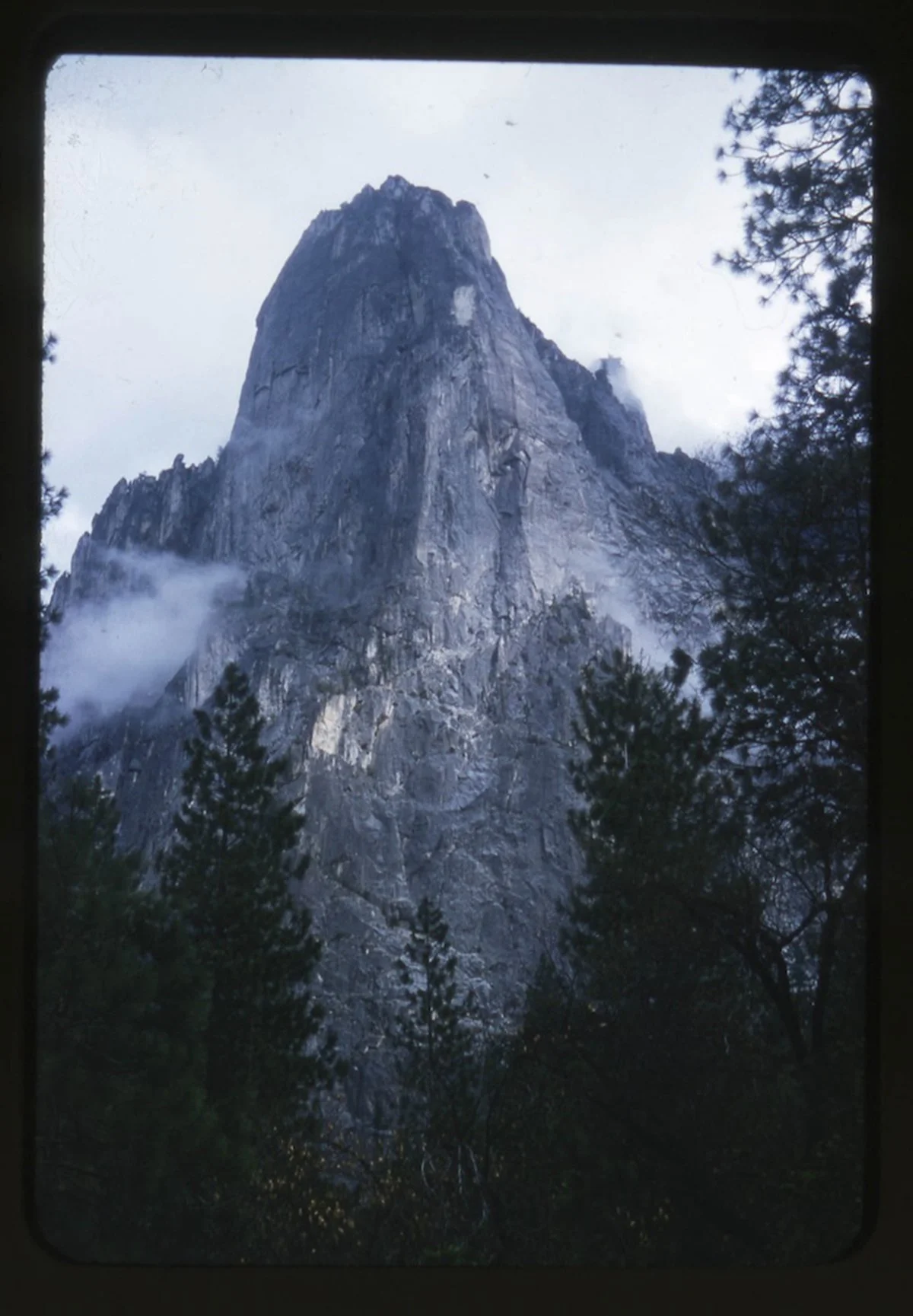
On January 20, 1950, Salathé filed for American Alpine Club membership, backed by Oscar A. Cook and seconded by Richard C. Houston. Allen Steck, a newcomer rising in the Valley after returning home from World War II, had his AAC membership proposal published in the January 10, 1950, list, which Houston also seconded. Both of their climbing résumés were long, but there was something just beyond the horizon waiting for them. It would become one of the greatest climbs in North America: the Steck-Salathé (15 pitches, V 5.10-) on Sentinel Rock.