HP: So what’s your background in editing, and what parts of your professional and climbing background are you bringing to the ACJ?
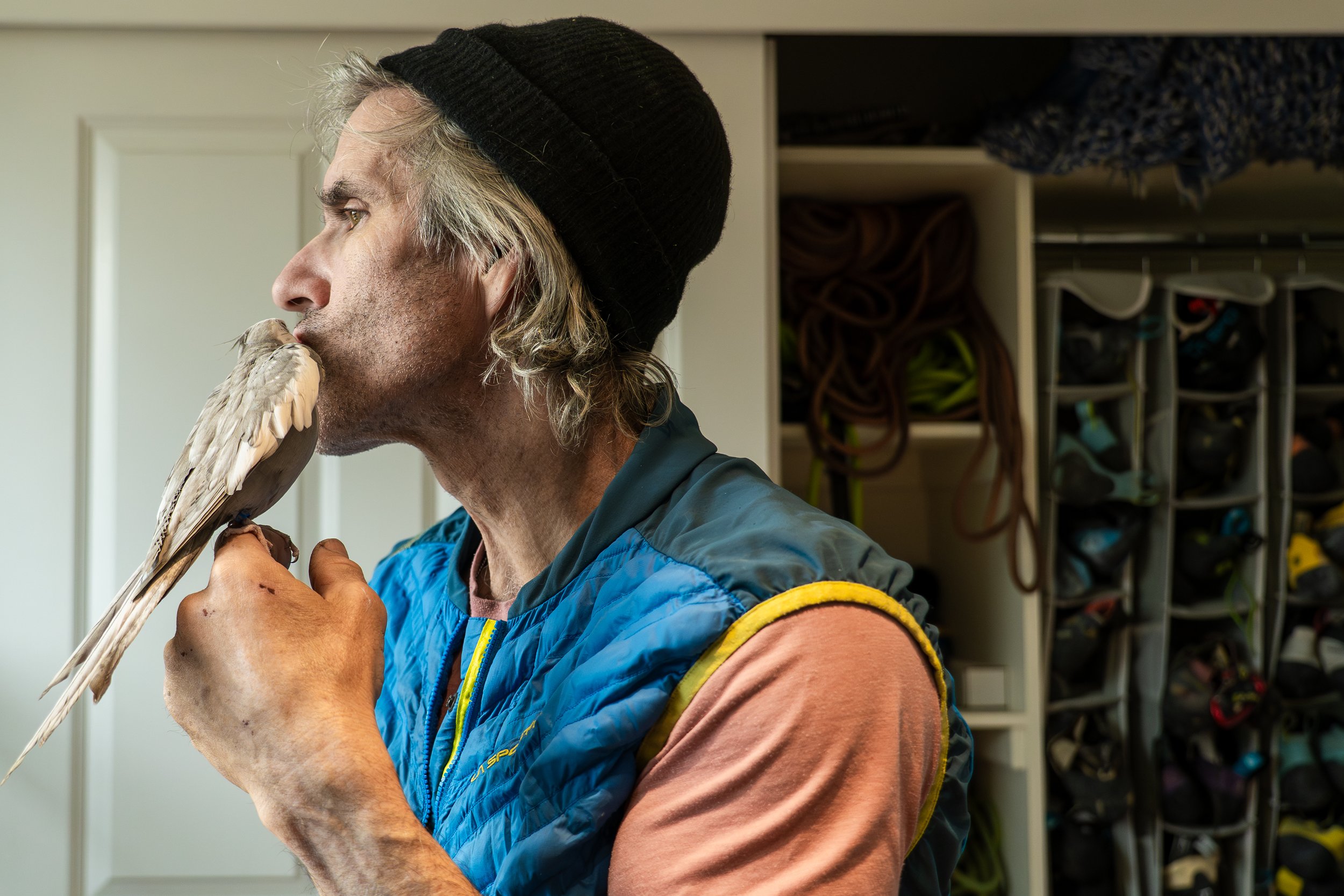
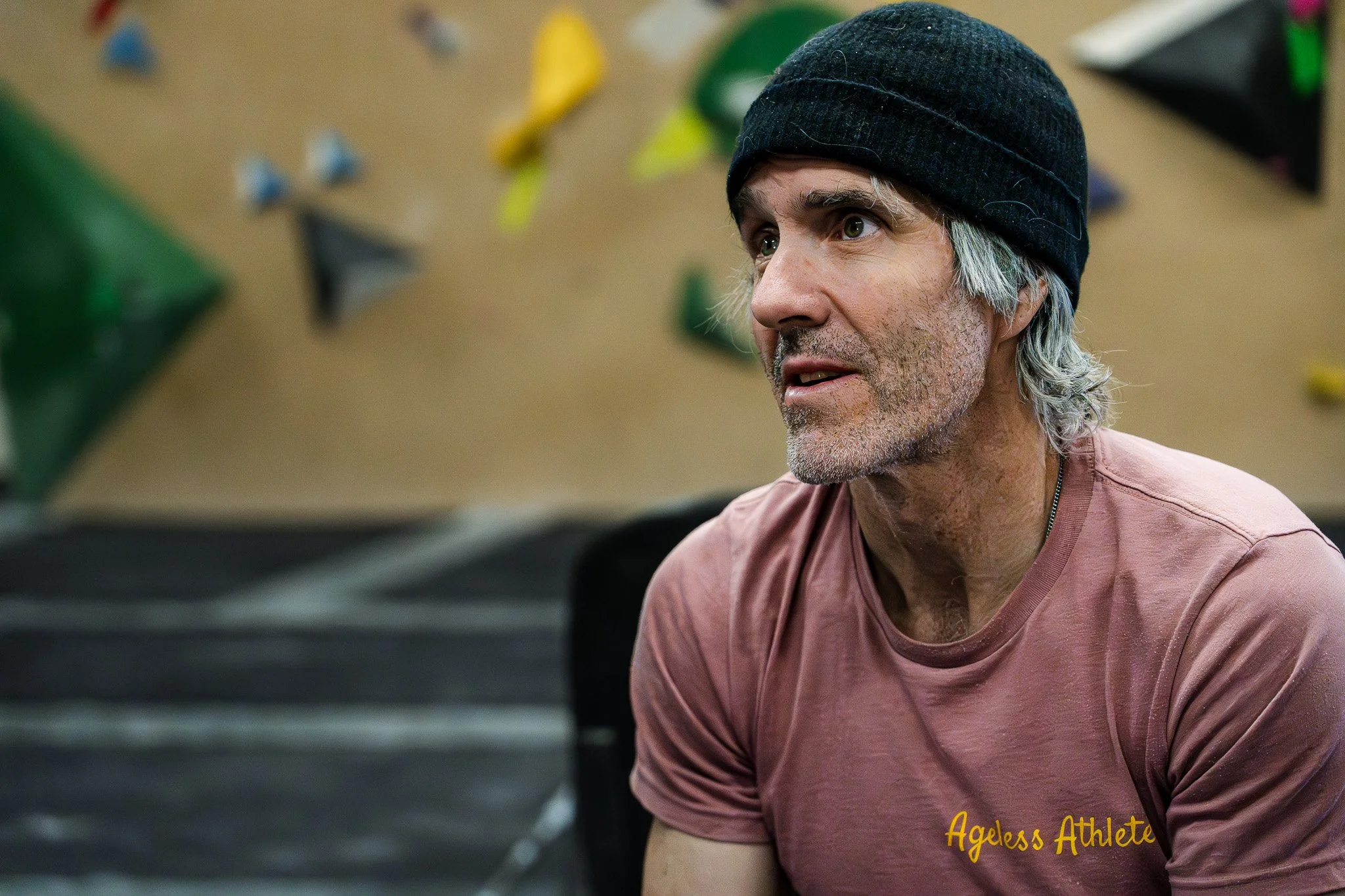
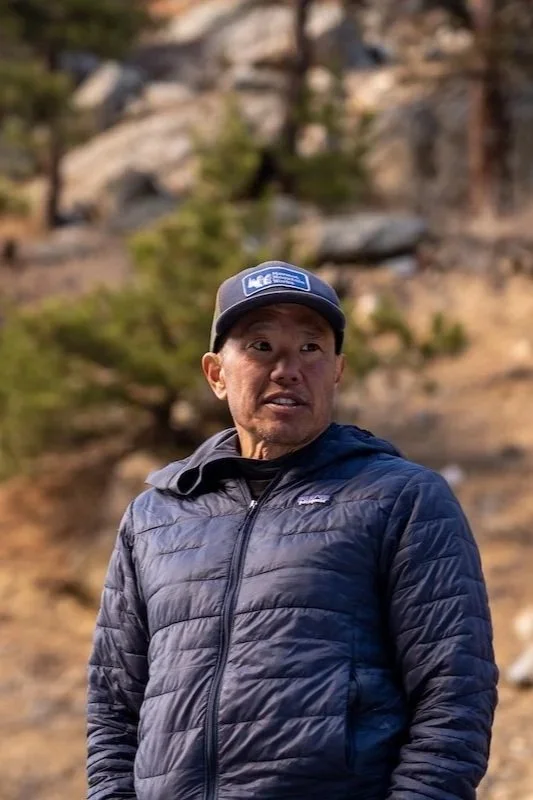
MS: I’ve been climbing since age 15. I’m 54 now, so we’re coming up on four decades of climbing. Primarily rock climbing, a little bit of alpine rock here and there. I’ve always been into performance rock climbing; at one point, like, in my teenage years and into my 20s, I was a sponsored climber.
In 2002, I started working at Climbing Magazine after getting my BA in journalism and then a master’s in English/creative writing. I’ve been involved nonstop in editing or writing about climbing since then. So, 24 years of editorial experience, working as a desk editor at Climbing, at Rock & Ice, at Alpinist. I have twice been the editor-in-chief at Climbing, though it wasn’t quite as, umm, glorious as it sounds, because at times I had no staff other than myself. Like 100-hour weeks—I wouldn’t care to do that again.
And I’ve been involved with the AAJ as a freelancer since 2022. I’ve edited a lot of outdoor books and memoirs, too—through Mountaineers Books, Di Angelo Publications, Patagonia, things like that.
HP: Do you ever get bored with climbing stories?
MS: I don’t. I did get bored of climbing stories when I was at the magazines, and the frequency was 10 to 12 issues a year, and my workload was insane. Now, with the longer timeline to put a journal together, I get to spend more time with the stories.
For me, the coolest part is helping climbers/ writers find their voice and their story. When someone’s done a cool climb, but they haven’t quite figured out how to translate that to the page so that other people can experience it with them, it’s a really cool thing to be that conduit or bridge.
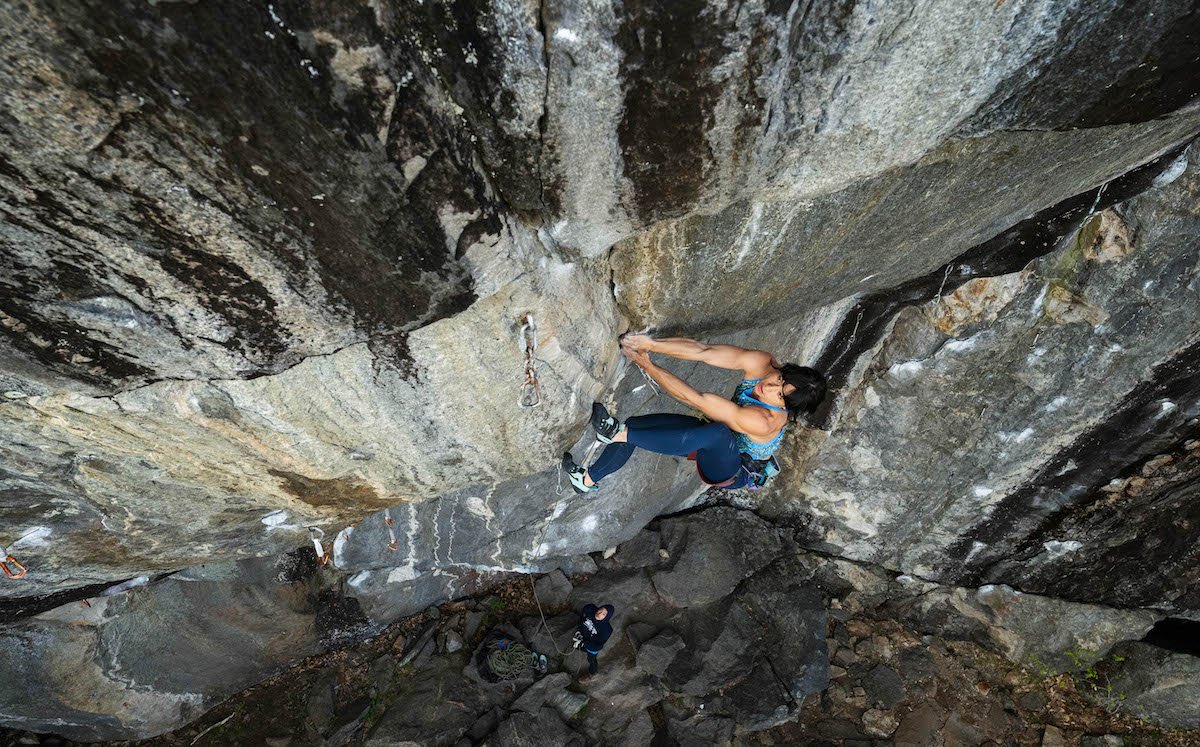
When you get into the details of climbing, it becomes this really fascinating thing, because it’s an experiential sport. Being at your limit is a universal experience, right? No matter what the grade or the climb is, we all have to dig deep in the same way in order to succeed at our physical or mental limit. When you’re able to take a climb that’s also at the very cutting edge and translate that climber’s experience into something rooted in details, and that feels universal, it makes for really cool storytelling.
Have you seen the video of Adam Ondra doing Lexicon? It’s insane. He talks [in his article for the ACJ] about the two minutes before he got on the wall, being scared. Here’s the world’s best climber admitting he was scared. That’s such a beautiful thing, because we all get scared. It’s this profound and very real and very human moment we can translate into our own experience. As a dedicated and passionate climber myself, I can see myself and my love of the sport in all these stories.
HP: In the course of sharing your answers to the previous questions, you gave us some sneak peeks of some stories. But can you tell us in detail about a story that really surprised you?
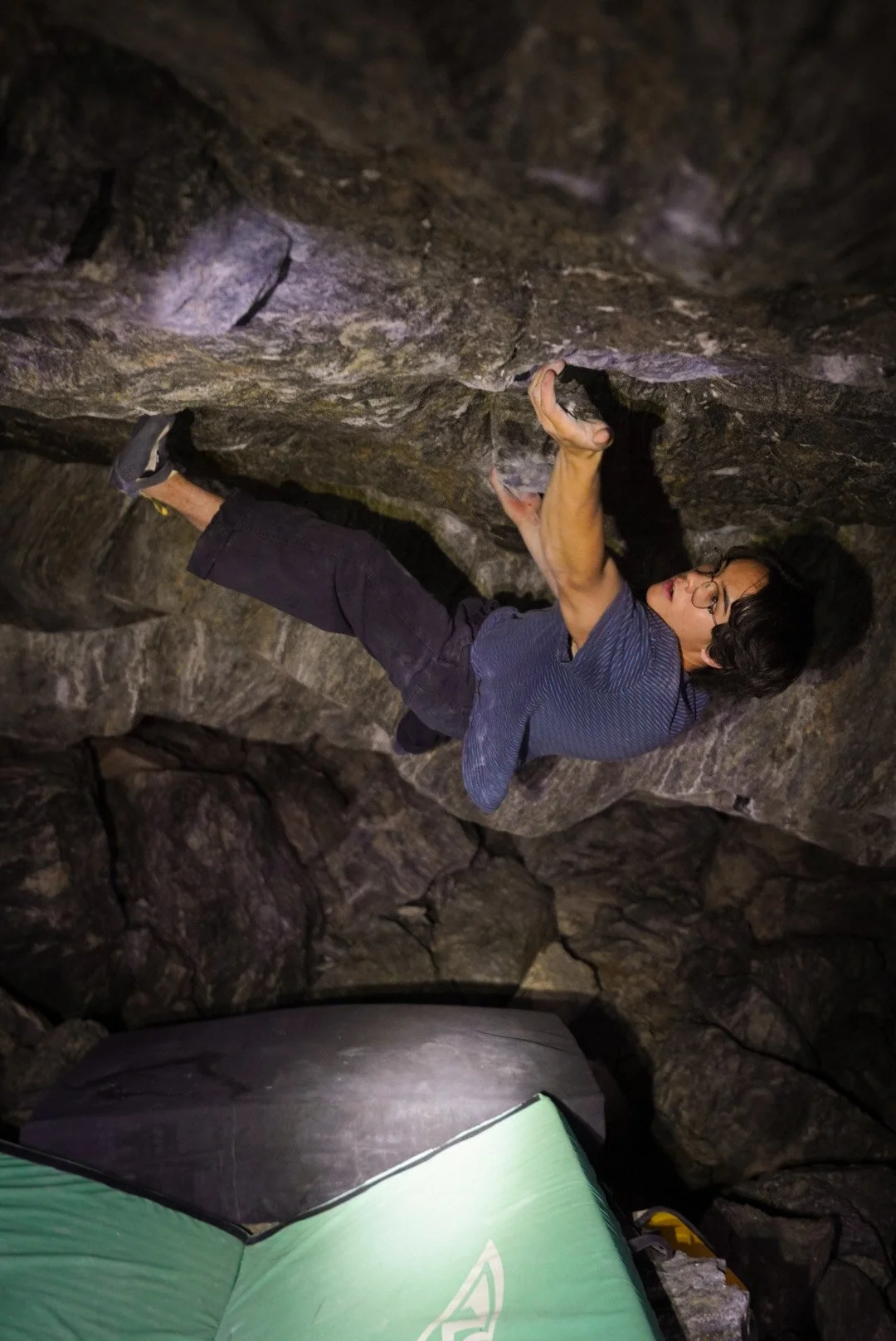
MS: There’s this Korean boulderer, Sungsu Lee, who’s extremely strong. In May 2025, he repeated Burden of Dreams, the world’s first V17, in Finland. But on the successful ascent from the ground, he pulled on, cocked, and maybe bounced off the pads, but maybe not. It’s hard to tell, because he had a baggy T-shirt on. Then he got to the top, and everyone’s like, “Yay!” And he has his celebratory beer.
But you could see something in his eyes where he’s like, Eh, I don’t know if I did it or not. So he went back and repeated it. We have an interview with him that a friend of his, Brian Kim, helped translate, getting into the mindset of why Sungsu went back to do it again. The second time, he did it with his shirt off, which I thought was funny.
To me, this all showed the sense of absurdity but also the seriousness with which we interpret climbing. I mean, someone who’s not a climber, if you tried to explain to them why this guy’s T-shirt and maybe butt bouncing off these foam landing mats below this tiny rock mattered, they’d be like, “Wait, what?”
But to a climber, to the diehards who are our Club members and readers, it’s everything.
Style is everything.
HP: You’ve been an obsessed climber for decades. Is there a climb that still haunts you?
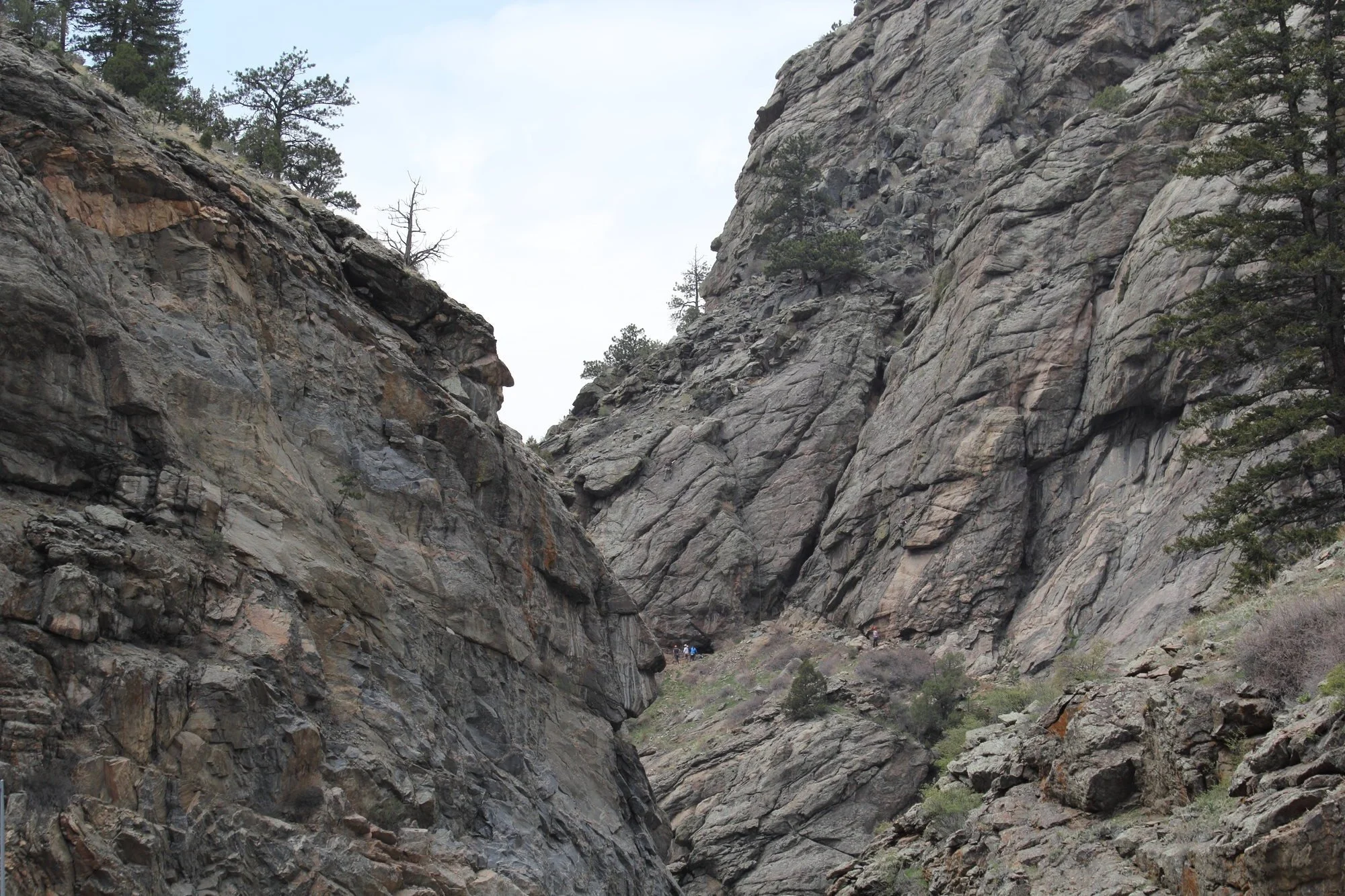
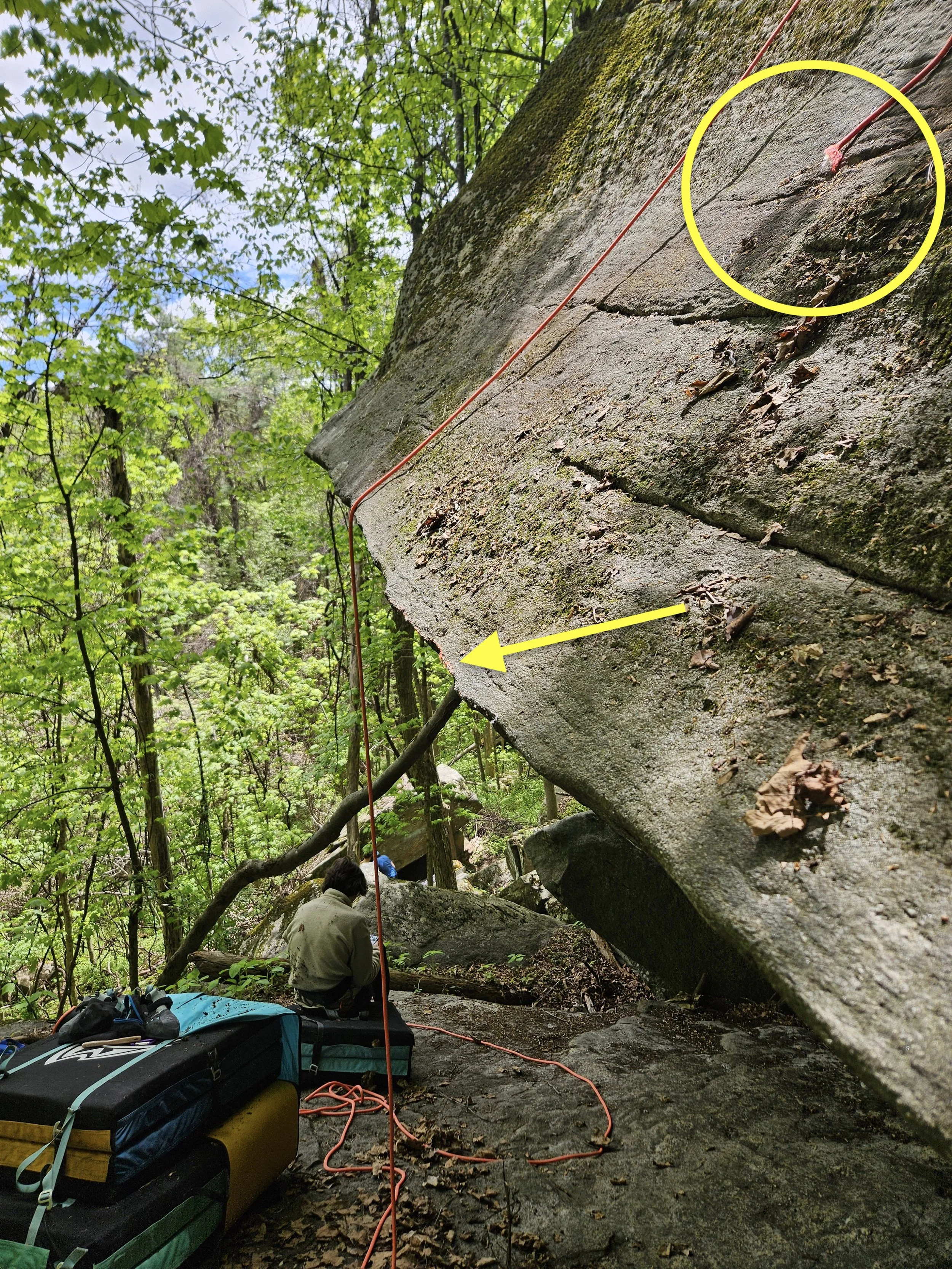
MS: Okay, there’s one I haven’t done that I bolted that I’ve been trying now for three years. It’s up in Skunk Canyon in the Flatirons here above Boulder, Colorado, where I live. It’s 21 bolts long, and my friend Brandon and I bolted it in the fall of 2022. I did the first half of it that season. And I didn’t expect the second half to be that much harder, so I thought, I’ll come back next season and finish it off.
I’ve probably been up there 100 days since then, just trying to do the second half by itself.
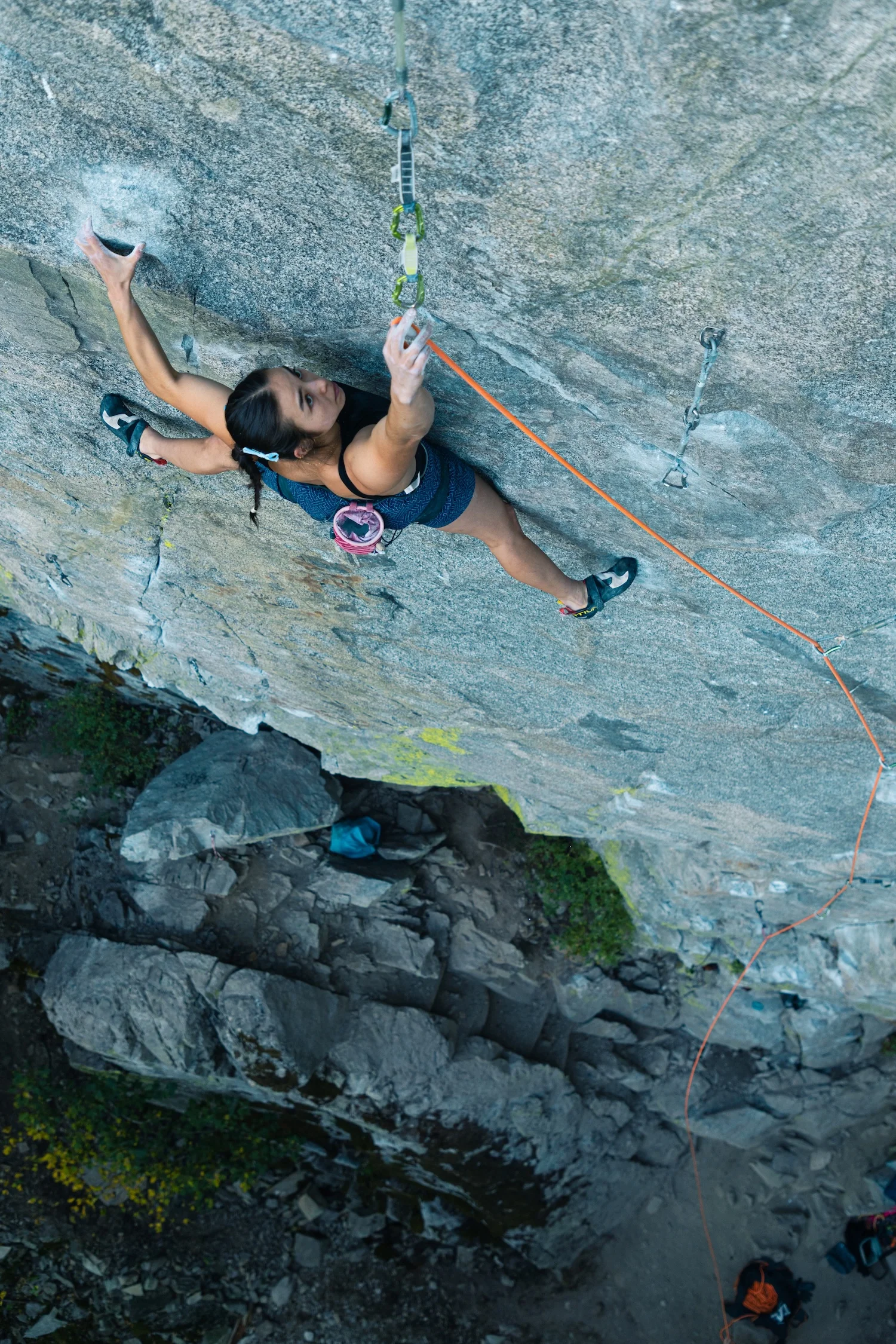
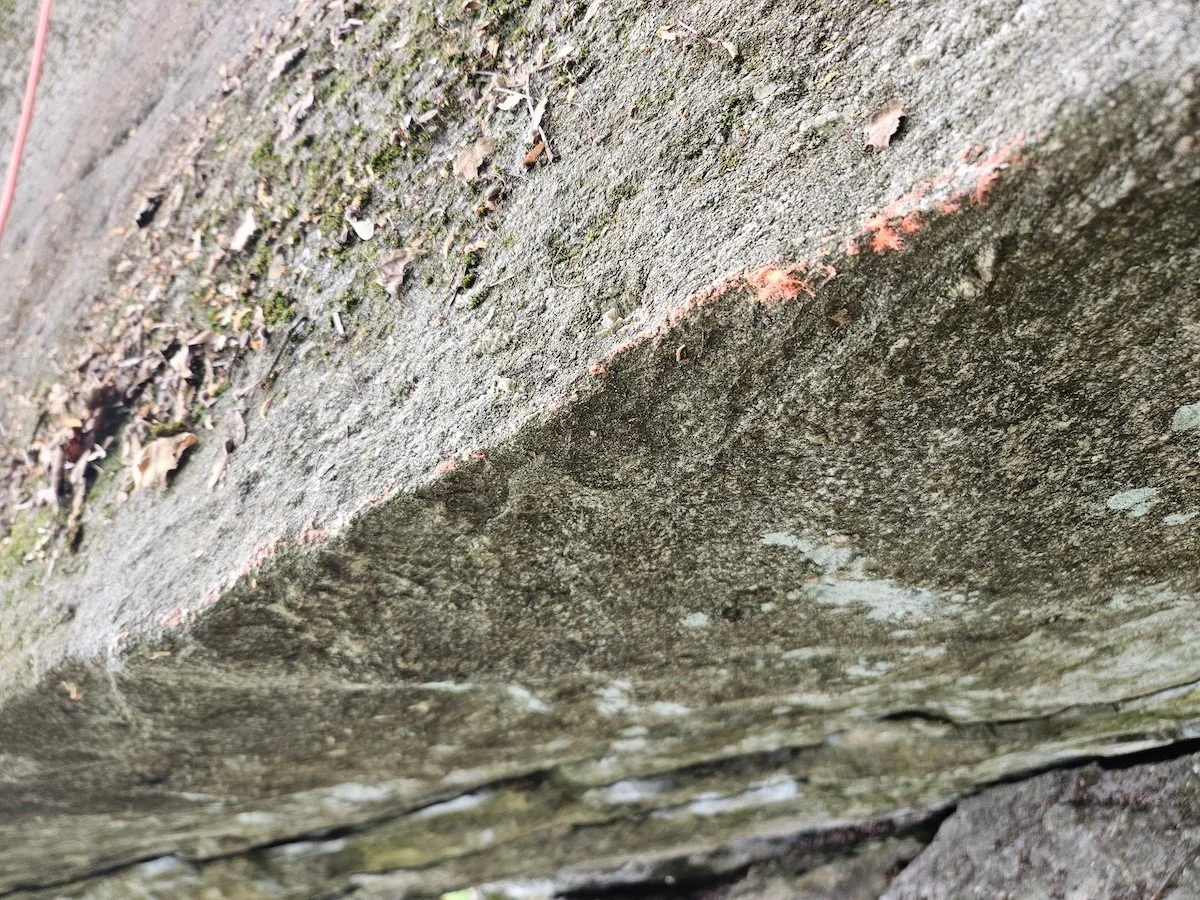
Last fall, I almost did it—the second pitch. It’s essentially like V10 into a difficult clip, straight into a V9, on a 35° overhanging panel on small, awkward holds. I had my hand on the jug at the end of the hardest part. And all I needed to do was bring my feet up and bring my other hand in. And I just couldn’t—my elbows were in the sky.
I was very excited to train for it this winter, but then my right pinky finger got infected, as did the tendon. I haven’t been able to train, but I hope to be able to train in the summer and go back in the fall. I mean, at age 54, I don’t know if I can, but I know that it’s now or never. I’d like to do this route because I think it would mark the culmination of everything I’ve worked toward in four decades of climbing. And also to show that as you age, you can still push yourself.
The first half is called The Alpha. The second half is called The Omega. Together, they are The Alpha and The Omega.
HP: What’s an example of a unique challenge that you had to deal with when compiling the ACJ?
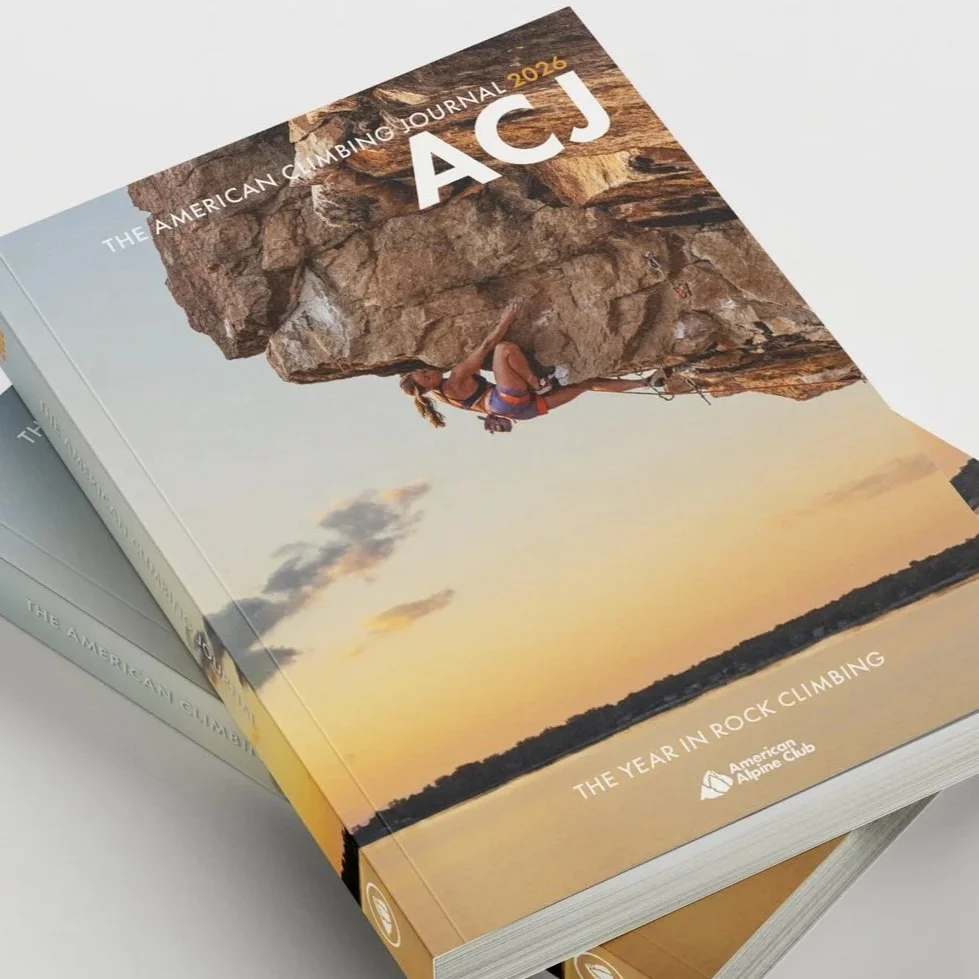
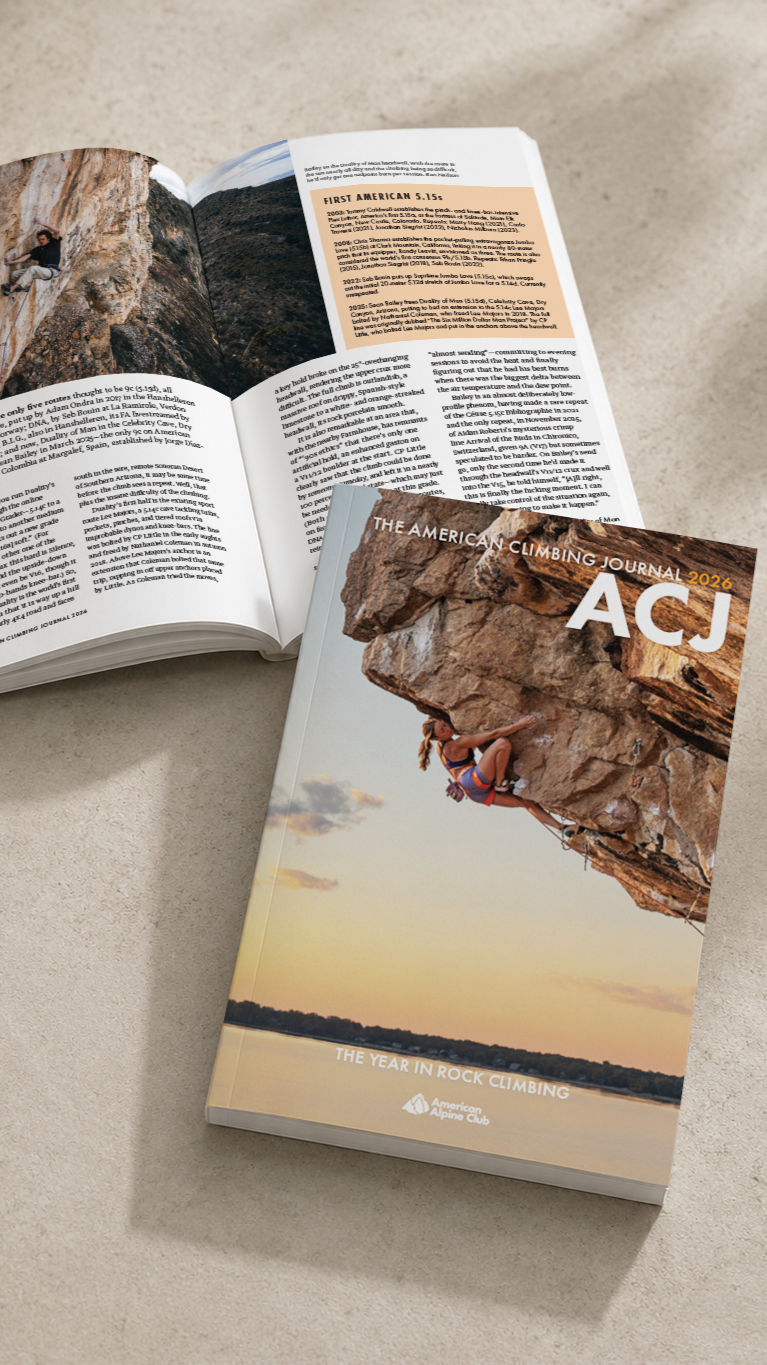
MS: The biggest challenge was coming in, and there was no ACJ, no template. We’ve had to develop it from scratch, which initially was very intimidating. We didn’t even quite know what this was—and we needed to get it done by spring 2026. But obviously, you, me, Dougald, and Shane [Johnson, the Vice President of Media at the AAC] put our heads together on it. I’m very grateful for all the help that you guys have given me. And I think the ACJ is going to keep evolving, too. I’m excited to see how people respond once the Journal is out in the world.